Simple Insights, Profound Conclusions: An Insight into Millfield Rugby Performance Analysis

In our previous blog we considered the growing influence of social media within the field of sport science. We concluded that the ever-increasing accessibility, networking potential and limited financial investment gave various social media platforms huge potential to influence our daily practice. In this context we stressed the importance of be broad in our engagement with social media content, as well as being a proactive consumer; willing to give and take in equal measures. In this blog, we will share an insight into our performance analysis processes to support the development of pupils within Millfield Rugby. If we believe that simple insights provide profound conclusions, we hope our analysis processes with this cohort of sports pupils supports their development over the short and long term through easily accessible video and statistical content. As such, within this blog we delve into the following areas:

• Pupil analysis review meetings

• Training session capture and analysis

• Match analysis

• Statistics and reports

Pupil Analysis Review Meetings

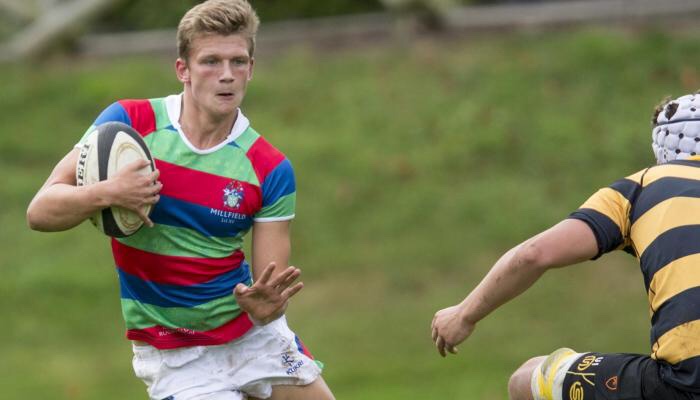
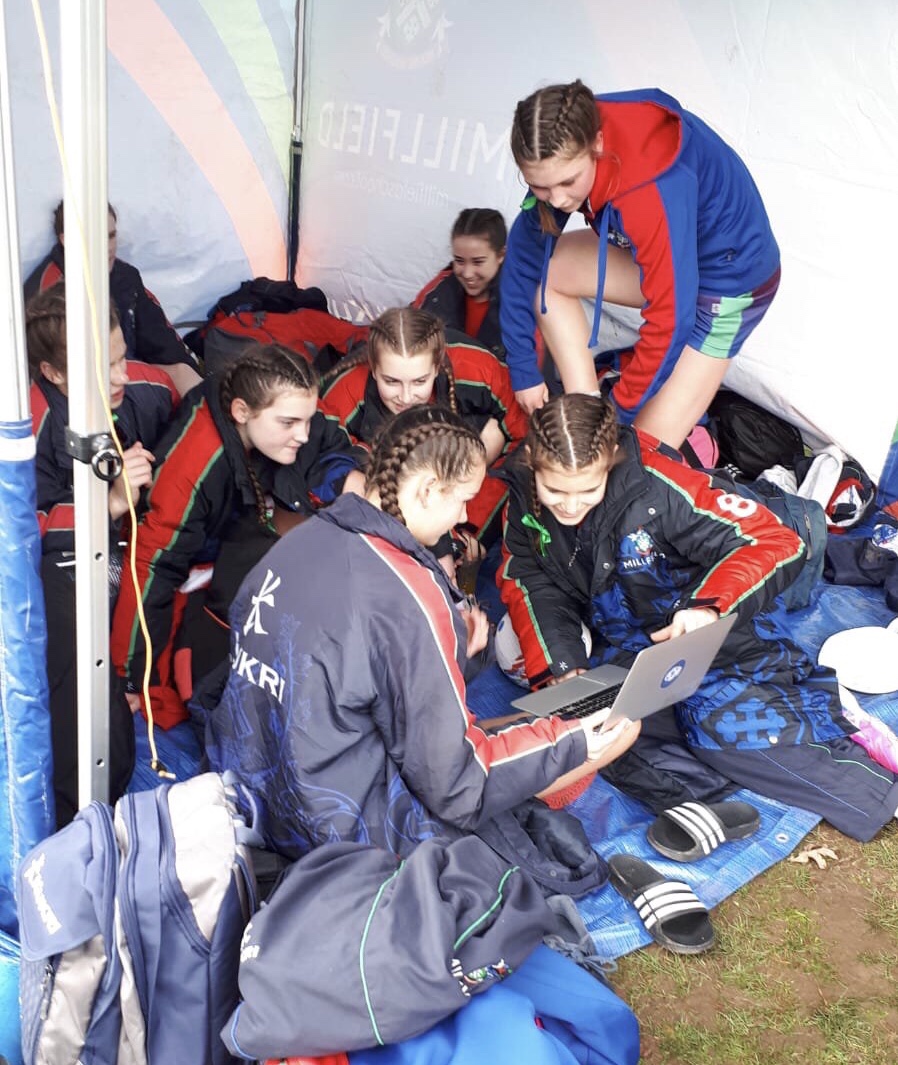
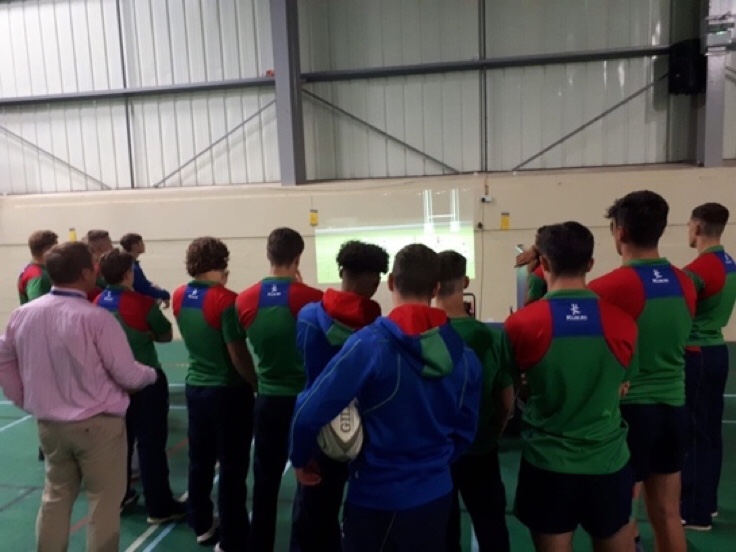
Analysis meetings within the rugby 1st program consist of reviewing video of match performance. Statistics are utilised to support the messaging around video content. Within the meetings, coaches and the analyst will introduce new methods of presenting to maintain a high focus and engagement from pupils. For example, using video animation technology, using wooden blocks to replicate a scenario on a table taken from the video footage and using tools like Mentimeter to gather feedback from the room.
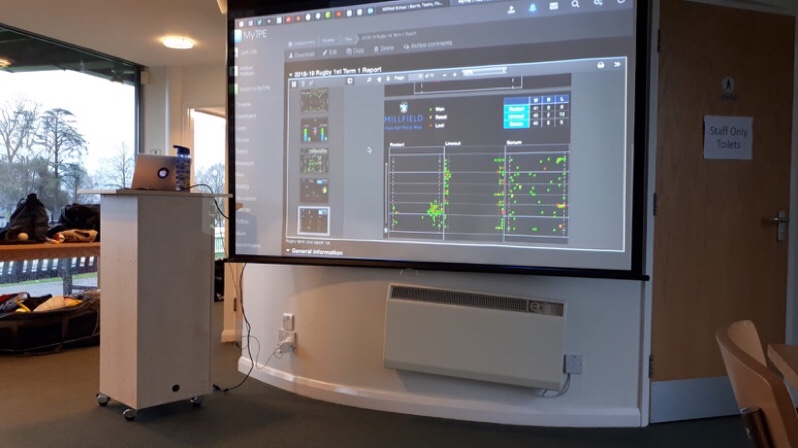
Squad and unit meetings are carried out twice a week on Mondays and Tuesdays for the 1st team program. These are led by coaches and the analyst. Individual reviews are carried out throughout the week and are led by coaches and pupils. In the lead up to high profile games, when opposition footage is accessible, the rugby team will review and break down the key performance indicators to present back to the team. Junior analysis review sessions are led by coaches and teachers who support the match analysis with basic analytics of game performance.

Training Session Capture and Analysis

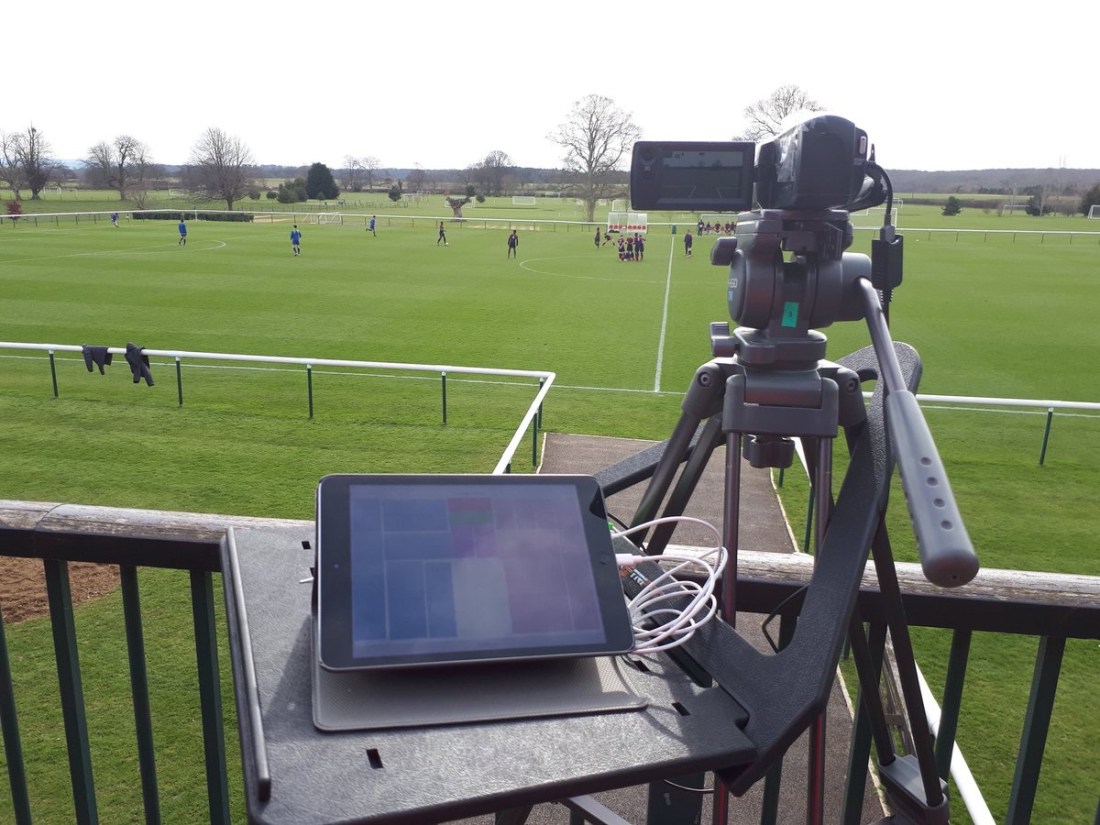
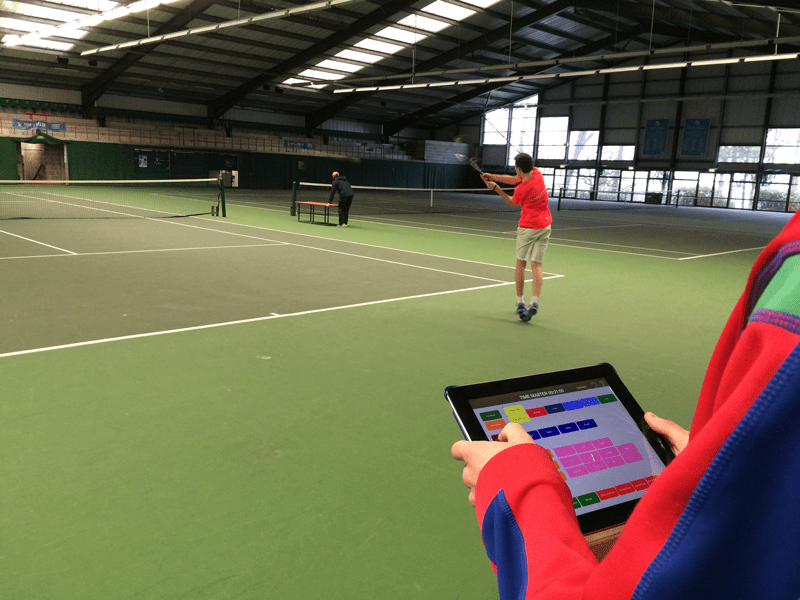
A combination of analyst, coach and pupils participate in the capture of training sessions throughout the year. Not every session is filmed, although often in the lead up to big fixtures or when key sessions are taking place a higher quantity of sessions are filmed analysed and reviewed. Sessions are captured through a combination of handheld cameras and IPcameras positioned around the school.

A breakdown of content is created per session filmed and projects are often undertaken to break down individual pupil performances and report back to coaches and pupils. This includes the following; analyse work rates, pupil impact, coach observation and session flow.

Match Analysis

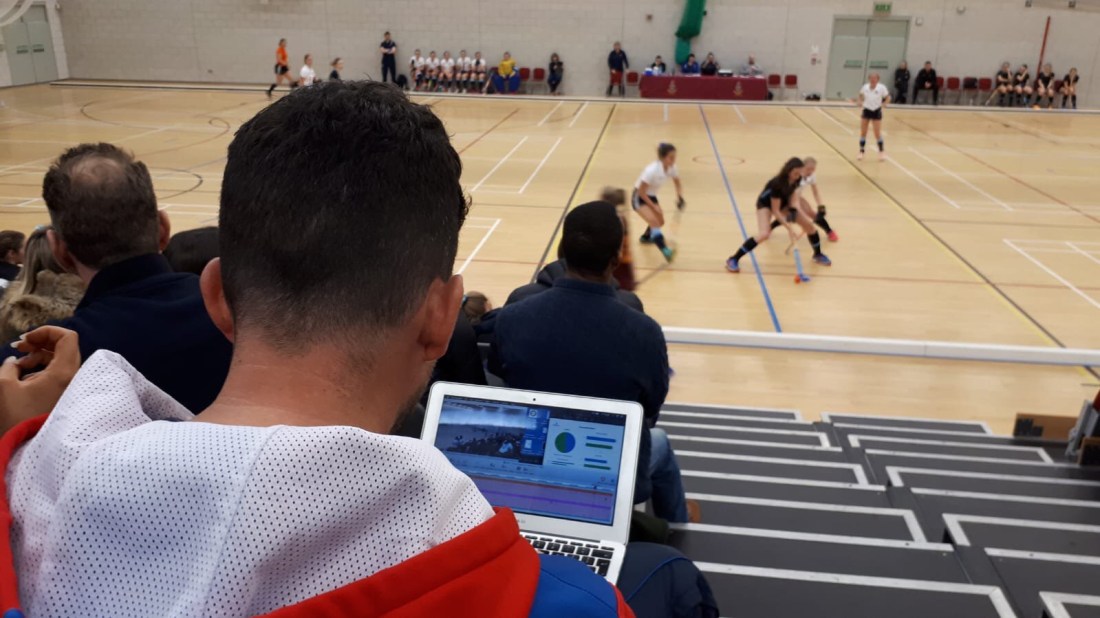
During match days, 1st team matches will be analysed live. This supports instant video and information feedback. IPcameras allow for a fast turnaround of video collection and sharing, whilst also offering a high-end video view at unique vantage points.
Post-game, within minutes of the final whistle rugby 1st match footage, team analysis and data reports are uploaded onto our online analysis platform, myTPA and shared to the pupils and coaches to review. Coaches and analyst will start communications post game and prepare video reviews for presentation sessions. Within a few hours post-game, coaches have selected who they require individual pupil analysis reports for, the analyst will then send these across for coaches to review and prepare for 1 to 1 meeting with individual pupils.

The analyst documents several other useful areas which support the review process across the Millfield Institute of Sport and Wellbeing; such as injury incidents. As a result, we can achieve a fast review of injuries by the physio department to inform best practice around treatment for the pupil. Students who participate within our performance analysis activity programme also have an opportunity to participate within the analysis of junior fixtures.
To Question Much is to Learn Much and Retain Much: Being a Proactive Stakeholder in the use of Social Media within Physiotherapy

In our previous blog we pressed pause and took a moment to look back on the lessons learnt from a range of internal projects we have completed within our athletic development programme. We surmised that our biggest investment over time should be focused on enhancing movement skills and competencies, balanced against high quality yet small doses of high threshold running and change of direction exposure. Alongside this we referenced the critical importance of the appreciating the holistic development of the young athlete in sport through optimising the coach-athlete relationship and supporting wellness. In this blog we will divert slight to consider how the growing impact of social media can act as a rich environment for professional development as a sport science practitioner in youth sport. If we believe that to question much, is to learn much and retain much, our engagement and filtering of content, resources and opinion on social media may be critical to optimising social media as a learning environment.

Our clinical working environment often dictates the clientele that walk through the door. As a physiotherapist in a youth sport environment, sports injuries and growth disorders are our bread and butter. We can often go a whole day seeing nothing but anterior knee pain. But then someone, outside your normal population will walk through your door and challenge your clinical reasoning, simply because it’s a condition you haven’t treated in a while. So how do you stay abreast of the evidence base and stay current with your practice?

In recent years we have recognised the growing impact of social media on the accessibility of research articles, opinions and knowledge sharing in the area of rehabilitation. The interactive nature of social media not only helps knowledge exchange amongst healthcare professionals (Davis and Voyce 2015), but it also allows for the promotion of physiotherapy services and the wider healthcare practice. Social media is being utilised by individuals across their working lives. A YouGov report in 2014 revealed that 38% of participants were using social media for learning, networking and/or sharing knowledge. Lawson and Cowling (2015) and Benetol and colleagues (2015) found that worldwide, health care professionals were using social media to facilitate networking, development and reflection. This includes popular platforms such as Facebook, Twitter, LinkedIn and a range of blogging platforms.

There are a number of reasons why social media as a CPD tool has become so popular. These include:

• Accessibility: content is available 24 hours a day and is accessible around your job and home life.

• Networking: there is the ability to talk and discuss with a variety of different professions and professionals, with easy access to so called “experts”

• Learning: the fast-paced nature of Twitter and other platforms allows for sharing of new developments in real time, such as policy changes and release of new research that help clinicians stay at the forefront of their profession and work to the latest practice guidelines

• Financial: there is no cost to using social media. You can read about new research, watch conference presentations, share ideas and learn from others all in one place.

The points above highlight how social media can be utilised as a live and freely accessible platform for professional development in the field of physiotherapy. As long as we keep sharing, learning and engaging, social media can positively influence over practice over time. In order to optimise this learning process it may be that we can better filter incoming content and be active in our engagement. The process below may be effective in doing so:

1. Reach – be broad in your engagement with social media. Use multiple platforms, engage with content across multiple domains and from a range of sources.

2. Act – be proactive on stepping in to social media and engaging with content. Reply to posts, ask a question or share an opinion. Be an active consumer.

3. Convert – be brave and utilise content that you believe may positively impact your practice. Ensure you re-mix and convert relative to the opportunities and constraints of your working practice

4. Engage – re-share your experiences of utilising content that you have reached out for, acted on and converted from social media. Contribute back into the learning process.

In summary, we cannot shy away from the growing influence of social media with the field of sport science and potential for social platforms to influence our practice. The accessibility, networking potential and limited financial outlay means the impact of social media on professional development is here to stay. We challenge you to reach, act, convert and engage with content as a proactive stakeholder to optimise the use of social media to enhance not degrade learning in the field of physiotherapy in youth sport. How do you question, learn and retain content on social media?

To Look Back is to See How Far You Have Come: Lessons Learnt in the Physical Development of Youth Athletes in School Sport

In our previous blog we explored the importance of understanding our motives, goals, task and communication preferences as sport science practitioners in supporting and challenging the development of young people through sport. We concluded by suggesting knowing thy self can be the beginning of all wisdom and the starting point to enhancing learning through youth physical development. In this blog, we will more closely explore youth physical development through a review of numerous internal research projects that have aimed to shed light on the opportunities and challenges in supporting the physical development of sports pupils within a school sport programme.

Over the past 18 months the athletic development and physiotherapy team have presented their work at national conferences (United Kingdom Strength and Conference Annual Conference, Open University Annual Conference, British Association of Sport and Exercise Science Annual Conference, English Institute of Sport Talent Pathway Symposium) with the aim of disseminating findings and sharing insights into the profile, development and wellbeing of pupils within our domain of practice. In this blog we will press pause and consider some broader take home messages from our projects.

From the analysis and dissemination of our work to date, this is what do we think we know:

• The development of movement competency and fundamental movement skills evolves in line with chronological age and therefore takes time to be expressed – Do rush it, invest early, be consistent with a focus on high quality movement skill and you will reap the rewards later down the line

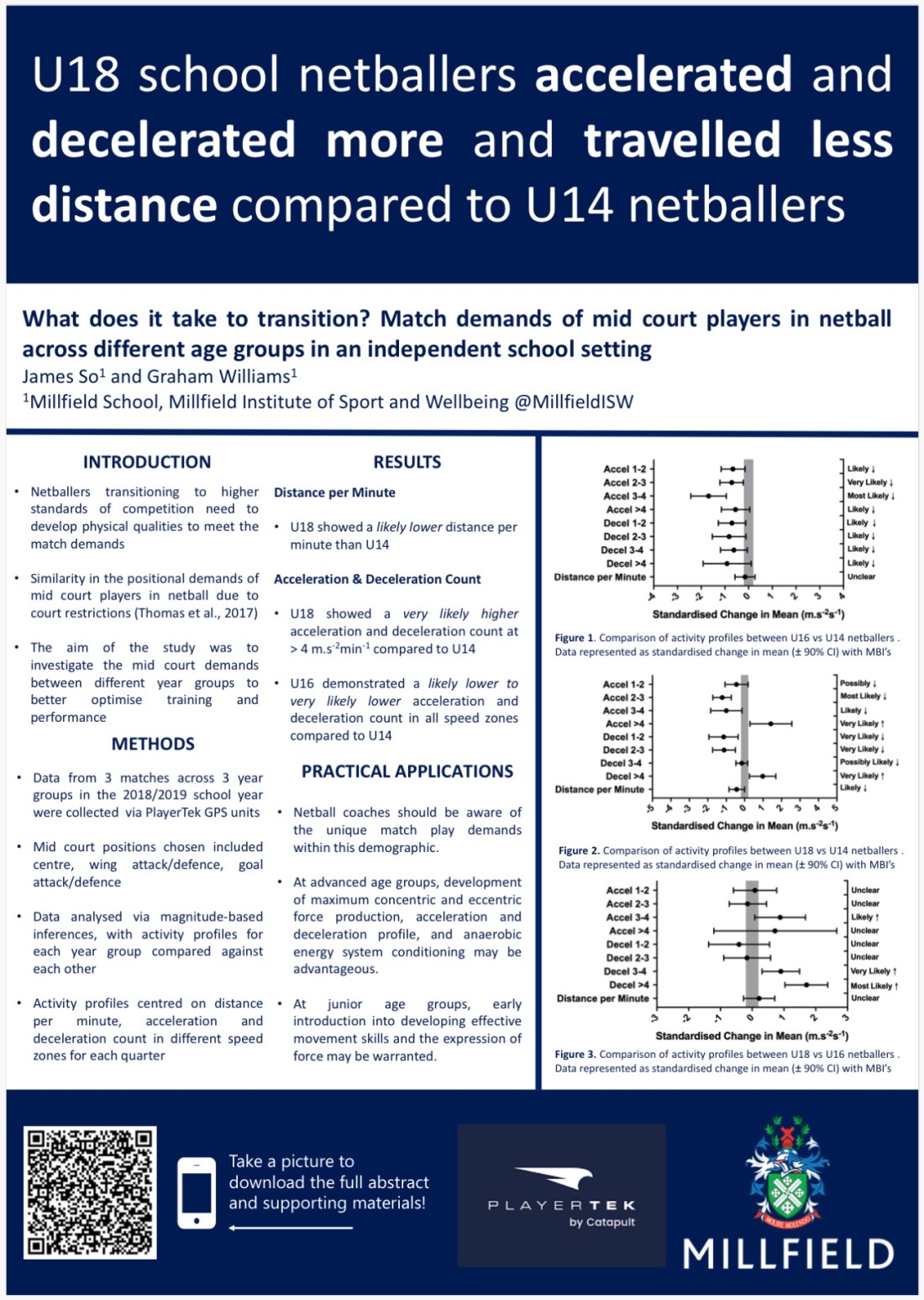
• High speed running volume and intensity not total running distance seems to be the critical step change in physical activity demand in the transition from our more junior to more senior sports teams (football, rugby 7s, netball) – Invest early and be as skilful as possible in the ability to accelerate and reach and maintain max velocity running, prepare them for them step up

• It’s not all about the physical stress, therefore be vigilant of the psychological load on sports pupils particularly around markers of subjective energy levels, stress, and mood – Encourage positive coping strategies, promote supportive social networks, think holistic in your approach

• Beware of a hazard phase in change of direction ability in sports involving large volumes of cutting and turning. Performance markers may show more variance circa and post puberty – Track change over time, offer a plan B if and when required, be consistent with the development of technical mastery over time

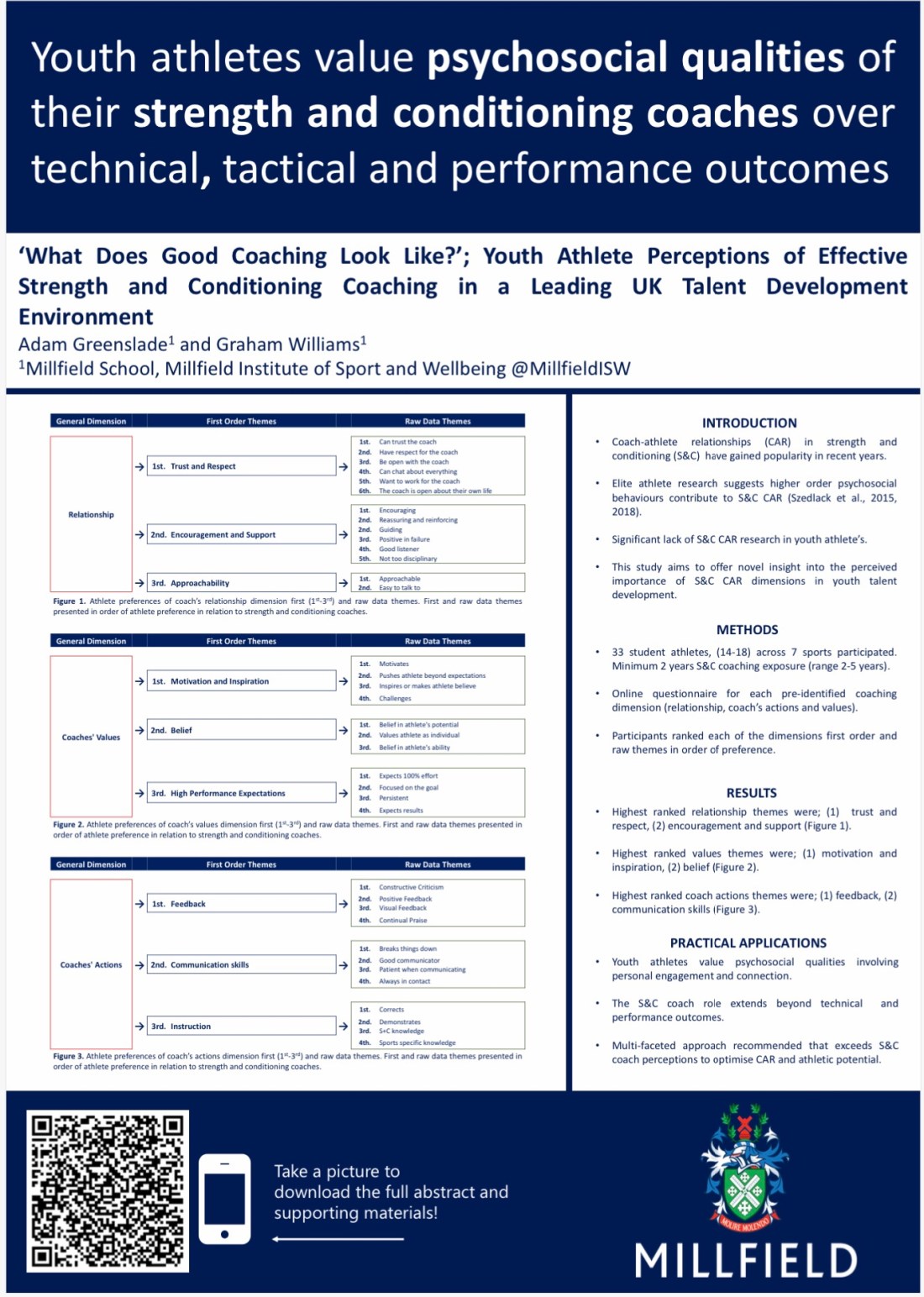
• The role of the athletic development coach extends beyond the development of physical qualities. A multifactorial approach to physical is recommended to optimise the coach-athlete relationship and athletic development – Build trust and respect, motivate and inspire young people to go the extra mile, provide a range of feedback that challenges and supports development

In summary, we believe a focus on the technical mastery of movement skills and competencies will pay the biggest investment over time. In parallel, it is necessary to provide small doses of higher threshold running and change of direction exposure in preparation for more advanced stages of development. More generally, take time to consider the broader perspective of physical development in youth sport. The coach-athlete relationship in this context, built on personal engagement and connection, may provide the opportunity to optimise physical development and support the holistic wellbeing of the youth athlete, particularly in relation to psychological load.

Knowing Thy Self as the Beginning of all Wisdom: Utilising a Greater Self-Awareness to Enhance Learning in Youth Physical Development

In our previous blog we explored the basis of our education programme to promote clean sport within school sport. Our aim is to become the first school in the UK with a structured anti-doping curriculum to support the education of pupils and to provide them with the tools to make informed decisions around clean sport based on UK Anti-Doping’s values of passion, respect, integrity, determination and enjoyment. We believe that an investment in knowledge will pay the best interest for future behaviours in this area. In this blog, we aim to provide an insight into our ability as an athletic development team to better connect and understand the diverse range of young people that we coach within our physical development programme.

Establishing a clear set of values, principles and ideologies are important in establishing a positive developmental training environment in youth sport, as well as generating effective physical development programmes. Whilst exercise prescription may be a vital conduit in this process, the ability to engage, connect and get buy in from youth athletes into this process may also be of importance. However, to understand our pupils we must first understand ourselves. In short, knowing thy self may be the beginning of all wisdom. How do you go about developing your self-awareness to support the learning of young people through sport?

Within our coach development programme, we have a number of initiatives aimed at enhancing our coaching practitioners’ ability to gain a better understanding of personal preference in communication, behaviours under pressure, one’s work mask versus their self-mask. Whilst this process may be a journey of discovery and evolve at rate relative to individual development, the concept of developing a great sense of self-awareness relative to, for example, other people, organisational policy and operations and individual desire for control may be vital to enhancing buy in and engagement from pupils, coaches and teachers. We see this process as having notable impact at a personal level, but equally as important is the ability to connect and relate to others through their behaviours relative to these areas.

More specifically, a greater self-awareness ensures our interaction with sport pupils within our athletic development programme is productive. Notably, we believe it supports:

– A behavioural best fit – How do I as the coach need to adapt my coaching behaviours to best optimise the learning and development of the young person I have in front of me?

– Communication effectiveness – How do I need to adapt my coaching instruction and feedback based on an individual’s ability to interpret and utilise what I am saying?

– Identification of skills for future development – How am I going to challenge the young person to broaden their intrapersonal skills through my coaching interventions?

Such questions are founded on an ability to better understand our own motives, goals, task and communication preferences. Without developing clarity on these areas and without engaging in a process of improved self-awareness, the ability to truly challenge and support the development of young people through their learning journey may be compromised. In this sense, knowing thy self may be the beginning of all wisdom with the domain of physical development by providing the vehicle with which to optimise the learning of young people and the coaching practitioner. How do you go about developing your self-awareness to support the learning of young people through sport in the domain of physical development?

An Investment in Knowledge Pays the Best Interest: The Implementation of an Education Based Programme to Promote Clean Sport in Youth Athletes

In our previous blog we explored the application of a flexible blueprint approach to planning the physical development of sports pupils utilising a short-, medium- and long-term approach. We proposed that the ability to be systematic, yet adaptable and flex to the nonlinear nature of youth development through sport as critical to supporting change. In short ‘a goal without a (flexible) plan is just a wish’. In relation to our approach to support the education of pupils within our nutrition provision, our goal is to have a food first approach, with a focus on informing pupils to make the best possible and most appropriate choice around fueling for the demands of their school and sport programs. In this blog we aim to provide an insight into the development of our education-based program to promote clean sport and pupil education around supplement and medication use in sport. We believe that an investment in knowledge will pay the best interest in future behaviors. What is your approach to promoting clean sport in youth athletes?

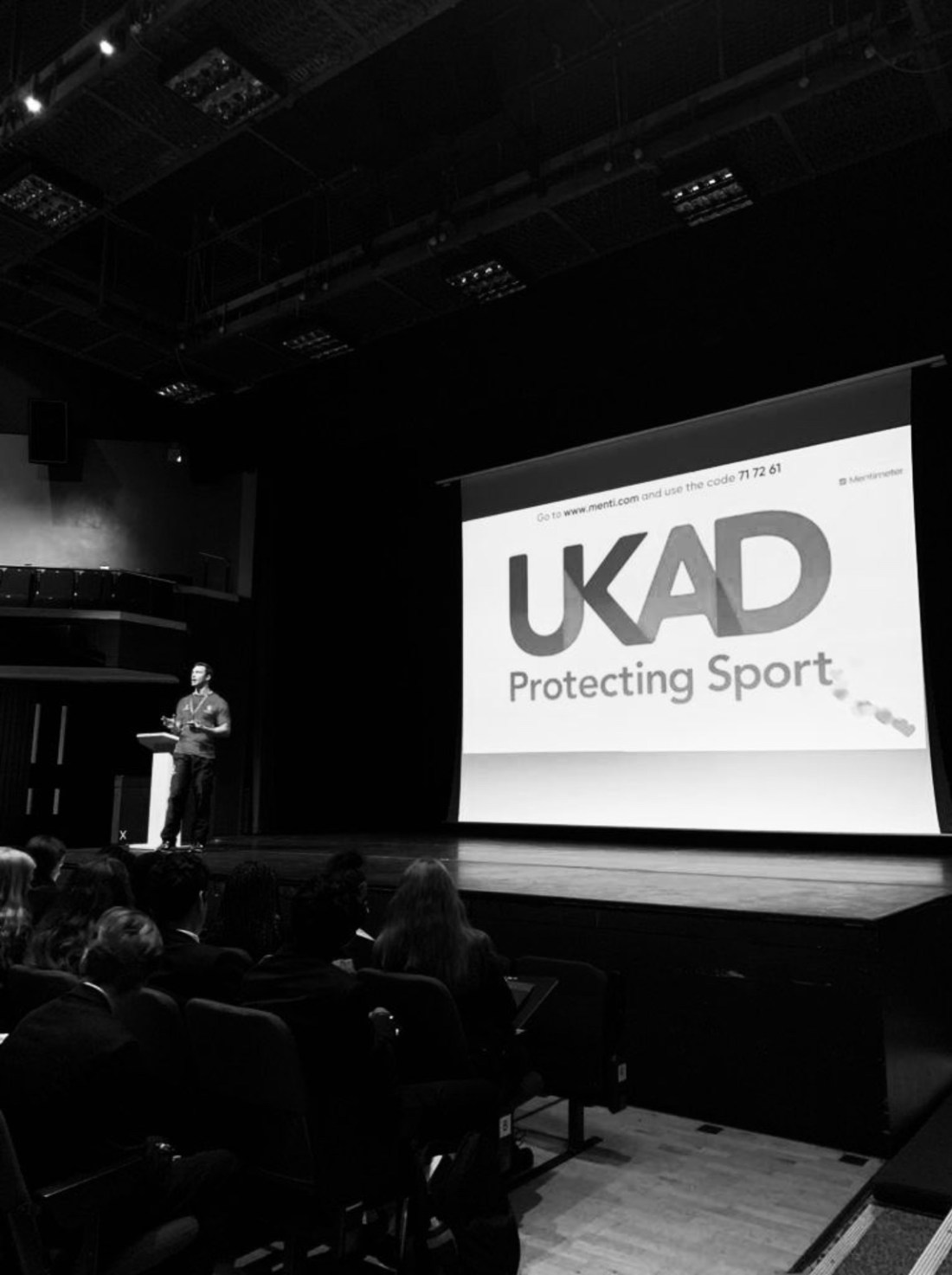
In the modern world of sport and with the ever increasing commericalisation of nutritional solutions accessible to young people, pupils’ access to alternative food options is a challenge to our food first philosophy. Within a school environment, pupils are often looking for the fastest possible route to achieve their goals, whether that be in the classroom, sports field or for health and wellbeing. In sport, this is exemplified by the marketing of the sports supplement industry; offering young people the opportunity to achieve their goals and maximise their potential in the shortest possible time. This exposes the pupil to the risk of inadvertently taking a product that may be banned or adversely affecting their health. In order to better guide and educate our pupils on in this area, we have set out to become the first school within the UK to become an accredited school with UK Anti-doping (the national anti-doping organisation).

UKAD (UK Anti-Doping) runs an education program through their national trainers and have an accredited clean sport program with selected UK universities. Often by the time an individual attends university they already have an engrained set of attitudes relating to food choices and doping in sport. Therefore, we feel it is our duty as practitioners and educators to better inform our pupils of the risks of doping and how they can make informed decisions moving forwards. It has been shown that the earlier you can instill a desired set of values to an individual the greater chance they have of making good choices based on these values later in life.

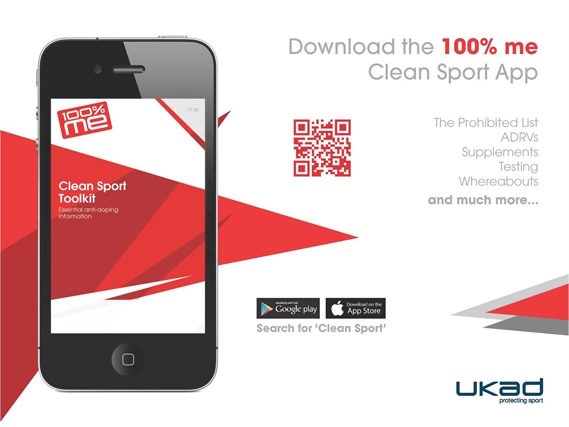
100% me is UKAD’s education initiative and has a set of values that we can instill in our pupils. The values of passion, respect, integrity, determination and enjoyment help pupils to understand that the values that they often hold in other domains of their life, also apply to making the right choices when it comes to doping. We are spreading the clean sport message across the school at all age groups, and sporting abilities. This joined up approach to sport and education encapsulates the synergy in educating pupils across broad topic areas within a school setting. Our challenge is to provide engaging workshops based on the UKAD clean sport curriculum, ensuring our pupils grasp the value of the clean sport message, empower them to make the better decision moving forwards.

As we endeavor to be pioneers in our approach to anti-doping within the education sector, we can also be a beacon to other youth development programs on to how to provide young people with an awareness of the risks of doping. Yes, we need to ensure the spirit of sport is upheld, but we also need to make more of the potential health risks associated with certain types of products. Often young people will have a less critical appraisal of health risks, adopting a “you only live once” attitude. This message is equally important to the education strategy.

Millfield has often been seen to be leaders in many avenues of sport and education. We hope to keep this tradition alive by taking on the mantle of being the first school to provide a structured anti-doping education program, supported by UKAD. As we embark upon this journey, we hope to preserve our great tradition of nurturing and inspiring potential in sport by enhancing our pupil’s awareness of their responsibility to bring to life the values of UKAD and represent the 100% me mantra. In short, we hope an investment in knowledge will pay the best interest. What is your approach to promoting clean sport in youth athletes?

A Goal Without a Plan is Just a Wish: A Flexible Blueprint Approach to Planning Physical Development Across a School Year

In our previous blog we explored the challenges and opportunities of riding the volcano of analytics in a multi-sport environment. More specifically, we explored the importance of simple technology and an approach which aims to optimise infrastructure, education, services and enhanced coach education. In this blog, we will look at the challenges and opportunities of organising physical training to allow suitable and appropriate athletic development with pupils in a school sport context.

In an environment where sporting development is dynamic and individual experiences are constantly changing, it is important to find a way to organise physical development training to allow the best possible chance for an improved expression of skills or capacities. Systematically allocating physical training units in accordance with the needs of the individual and their long term aims and objectives is at the heart our approach. This requires consideration of the holistic nature of training, competition and the unpredictable nature of development within a youth sport context. In addition, and specifically in a school environment, the cognitive and psychosocial load of academics and pastoral commitments are also critical to consider. As such, the organisation of physical training may be contextualised within short, medium, and long-term phases to achieve the desirable outcomes. This method allows us to be dynamic and flexible whilst maintaining a degree o consistency over an extended period of time.

With movement skills and capacities essential to what we do, high quality competencies, fundamental movement skills, tolerance to load and training intelligence are the foundations to our approach. In the short term and where opportunity allows, different training units are developed concurrently, with different emphasises for each of them on different days (i.e. speed, strength, fitness, recovery, skill). An easy way to organise the training units on each day can be through matching up the training intensity of the day. Each day can be classed as a high intensity or low intensity day with the units reflecting it as so. Organising training sessions in this way can allow multiple qualities to be trained at the same time without any hindrance to progress. This way of organising training weekly is known as horizontal sequencing with vertical integration. This works especially well with team sports as they require various qualities to be developed in conjunction.

In a medium-term phase (monthly), the focus of training can generally undulate throughout each half term in a wave-like fashion. There may be a more concentrated bias on global gym-based skills in any one point of time, before moving onto more specific qualities that have a greater transfer to the sport itself. After developing that foundation, a swap in the emphasis in the following block of training would follow. This reduces monotony in training phases and allows positive adaptations to be made through variations in training periods. The length of undulation across phases may differ across sports, but the general model is still applicable, highlighting the advantage of the flexible, wave-loaded format in the medium-term. Finally, in the long-term (across a school year), phases are organised into three different blocks, reflecting the three terms across a school calendar year. The overall block structure provides a clear blueprint for the otherwise more flexible components when considered more specifically.

Overall, our method of organising physical training allows us to deliver our philosophy and ideologies towards athletic development systematically, while being dynamic with the ability to flex in our practice. Given the nonlinear nature of pupil development in sport, we are able to be adaptable as we plan, organise and delivery physical development training in the short, medium and long term. What is your blueprint to guide the organisation and delivery of physical training for pupils in a school sport setting?

Riding the Volcano of Analytics in Multisport: How do you Optimise Analytics in a Multisport Environment?

Riding the Volcano of Analytics in Multisport: How do you Optimise Analytics in a Multisport Environment?

In our previous blog we explore the experiences and thoughts of our graduate physiotherapist in their transition from textbook (academia) to clinical practice (employment). The blog highlighted the challenges of bring evidence-based practice to life in a school sport environment through the context of rehabilitation from injury. In this blog, we take the concept of reality and the challenge of optimising provision into the world of performance analysis in school sport. More specifically we delve into the challenges of ‘riding the volcano of analytics’ in a multisport, developmental sporting environment.

This blog has been inspired by Michael Calvin’s 2015 book ‘Living on The Volcano’. In this book Calvin explores the secrets of surviving as a professional football manager. Calvin documents the unique industry of football management in which shallow judgement and rapid change in fortune can accelerate or derail managerial status. More specifically, Calvin highlights the commitment, focus, persistence, sacrifice and graft of the football manager; the foundations, often unseen, on which to build success.

In a similar context, our approach to analysis within our multisport programme at Millfield is developing based on laying solid foundations to our delivery. The ‘simple technology’ approach, which was highlighted in the last performance analysis blog, is just one example of how the program strives to develop a sports analytics service that allows all stakeholders to buy into the provision across the school. This philosophy allows us to expand further to embed the following key development areas into our practice:

• Infrastructure – our hardware and software systems allow ease of video capture, analysis, content production and content distribution.

• Education – the production of learning resources is vital to aid staff, teachers and pupils in optimising the use of hardware and software.

• Services – clarity in service provision enables analysis to be prioritised based on current and future demands.

• Coaching – analysis will be utilised by our coaching group to support coach education, reflection and development.

By enhancing our infrastructure, education, services and coach development solutions we are committing to optimising the use of video and statistical analysis across Millfield sport. As one of the only schools in UK to have a full time sports analysis programme, our aim is to integrate fully with our pupils, coaches and teachers to optimise the use of analysis at every interaction and ride the volcano of analytics in our multisport programme. How do you optimise analytics in a multisport environment?

“In theory, theory and practice are the same, in practice, they are not”: The Reality of Transitioning from Placements to Employment for the Early Years Physiotherapist

In our previous blog we explored some of the guiding principles for developing early years practitioners in the field of strength and conditioning. In particular we gave more detail on the importance of leading by example, effective communication and optimal challenge and support for the individual. More specifically, we highlighted the importance of creating a rich learning environment to support employability moving forwards. This blog will explore the experiences of our graduate physiotherapist reflecting on their experiences and thoughts on the transition from university study to clinical practice.

Having recently graduated from university and started my first job as a qualified physiotherapist I have had a chance to reflect upon what I have studied, my placements and now, the real world of work. What I have noticed the most, is the vast difference between what we are taught at university, the treatment that is delivered on placement, and that delivered in a private MSK sports injuries clinic.

One four-week placement I completed was in a rheumatology outpatients’ clinic where virtually every patient was treated with Megapulse, a form of electrotherapeutic modality which works with pulsed shortwave therapy. It was used without consideration of the evidence for this modality on rheumatology patients. In reality, the evidence does not support its use in rheumatology patients and the evidence that does support its use in general is not reliable, as it was not done in a way that allowed for conclusive results. This fundamentally means that their treatment was not based on the evidence. What was more surprising was that even when no results were seen week after week, this treatment was still used on these patients. I wonder why some therapists do this?

We have all treated what we see when a definitive diagnosis is not clear, however, being critical of your diagnosis, treatment and outcomes is essential. So, what does being critical mean? Evidence based practice allows this critique but what does that actually mean? The term evidence-based practice (EBP) has been developed from the term evidence-based medicine, and a commonly used definition is the conscientious, explicit, and judicious use of current best evidence in making decision about the care of individual patients (Sackett et al. 1996). The definition suggest that a practitioner must integrate the best research available, their clinical experience, and most importantly, patient choice. In theory, theory and practice are the same, in practice they are not!

If you treat the symptoms and it resolves, it does not mean that then you can diagnose based on the response to a treatment and vice-versa. We must all ensure that we do not cut corners in diagnosis of conditions by having a hypothesis based on bias which is inevitable sometimes. Being biased by a previous experience, a recent course or paper you have seen, or a pre-diagnosed patient is normal, but it our responsibility to challenge these preconceptions and rule out any other possible condition rather than test things that support this hypothesis.

There are an awful lot of special tests that are used in diagnosing conditions, but we have been finding more and more that many of them are not reliable in diagnosis or ruling in or out conditions. Using clusters of specific tests has been found more valid but even so, you must select the right cluster based on the evidence. This is a task that takes some research and time, but allows for practice to be meaningful making it worth the time.

As a physiotherapy department at Millfield Institute of Sport and Wellbeing (MISW), we want to ensure that the diagnosis, practice and treatment is all based on the most current evidence. Our aim is to support our treatment with facts and evidence and ensure we are offering the most effective and purposeful treatment techniques. Most importantly, we offer this information to our pupils to allow them to make an informed choice on their treatment pathway. We use testing to explain results and return to play protocols to pupils and this allows them to be on board with our joint decision making and trust our judgment and in turn allows a better rapport with pupils and greater compliance. We must remember we are not all-knowing and that we need to ensure we are critical of evidence presented, but most importantly, be critical of ourselves. In practice, it is the ability to balance theory and practice to optimise the best outcome for the pupil.

“When you know better, you do better”. Challenging and Supporting the Development of Early Years Practitioners in Strength and Conditioning. What is Your Approach to Optimising Practitioner Development?

After six years and with thirteen early years practitioners having graduated and four more currently in our athletic development department, we thought it good timing to press pause. The ability to consider why, how and what we have done to support the next generation of strength and conditioning coaches through our school based programme will be healthy for our continued success in this area and provide insight into our approach. What is your approach to optimising the development of your early years practitioners?

There are a series of guiding principles that have underpinned the journey of our graduate coaches to date and will continue to do so moving forwards:

1. We (more senior staff) must lead by example – We must continue to engage in project work, put our planning and programme out there to be critiqued. We must seek to continue to learn as much as we are asking our graduate coaches to do so.

2. We must find a communications level – We need to be conscious of the individual we are supporting and delve deeper to work out the best methods to engage that individual in the learning journey.

3. We must take them outside their comfort zone – We need to provide a challenging environment that offers the graduate coach a different look at physical preparation and development than they have seen before.

4. We must draw out their super strengths – Whilst challenge will be critical to the development of our graduate coaches, we must also support them in the expression of their ‘super strengths’. Something that will define them from the candidate next to them at interview.

5. We must be dynamic in design – In the context of points 1 to 4, we must be adaptable and flex to the needs and development rate of the individual.

Whilst there is on going debate around the importance of formal academic qualifications and practical experience in the field of strength and conditioning, the recruitment of our graduate coaches is driven by 4 areas:

1. Relative competence – Given the stage of the individual’s development, what are their skills and capabilities as a practitioner? Are they below, on or above par?

2. Autonomy – How able is the individual to make relatively independent, rational and informed decisions within their practice? What experiences have they had that will support this process?

3. Motivation – What are the individual’s internal drivers? Why do they want to engage in our development programme? What would it mean for them to be successful in this role?

4. Complementarity – Is this a good fit for both parties? Do we have shared goals?

Using our guiding principles to inform the deliberate preparation of our graduate coaches, we can challenge and support their development. We strive to create a rich learning environment for early years practitioners who complement our coaching programme, who are focused on self-development and who’s current and relative skills and capabilities will allow them to thrive on their journey with us. In short, this is about the appropriate challenge and support for early years practitioners to enhance their employability on moving forwards. What is your approach to optimising the development of your early years practitioners?

The Simple Stick: Lessons Learnt from a Tech Giant. How Are You Bringing Simplicity to Your Analysis of Youth Sport?

It’s fair to say that technology has become a fundamental part of modern society. Quicker, smarter, more intuitive, the best technology across a range of domains is driving improved practice and outcomes. This is no different in sport and in particular the field of performance analysis. However, as smart becomes smarter, do we risk making the complex more complicated? How do we take advancements in technology and ensure they truly enhance the user experience and development process? How are you bringing simplicity into your analysis processes? Within this blog we will share what we have learnt from a tech giant and how we are aiming to use technology more effectively and simply across our sports programmes.

Millfield has been progressive in its use of technology within the classroom. The link below provides a short insight into how academic programmes at the school are preparing pupils for life in the digital world.

Our approach to performance analysis within sport is no different. The development and learning journey that our coaches, teachers and pupils go on in a crucial part of the process to ensuring analysis technology, video and statistic resources are fully utilised in this school sport setting.

Critical to the user experience is ease of access and usability. One tech giant has led the way in this area and provides the gold standard in bring simplicity to a potentially complex area. In his book, Insanely Simple: The Obsession That Drives Apple’s Success, Ken Segall provides an insight into the key principles that have supported the company’s dominance of phone and computer technology. Below, we have identified how these principles are supporting our approach to bring simplicity to performance analysis in a school setting.

1. Think Clarity. At every opportunity our aim is to simplify language, simplify the message, simplify the output to ensure our coaches, teachers and pupils are able to easily grasp the learning opportunity.

2. Think Small. We are ambitious, but small wins, simple processes and quick communication will allow us to gain traction, learn and move forwards. By thinking small, we are able to drive down into what coaches, teachers and pupils want and need from their experience with performance analysis and support them to take ownership moving forwards.

3. Think Human. Whilst the field of performance analysis is founded the quality, accuracy and reliability of video and statistical analysis, its humanistic component should not be ignored. In our school environment, we must be conscious of the consumer. Conscious of why, how and with what impact our PA outputs will support an individual’s development.

As Steve Jobs once said, design is not just what it looks like and feels like, design is how it works. By thinking clearly, thinking small and thinking about our consumer we are aiming to ensure performance analysis for coaches, teachers and pupils at Millfield both looks good, feels good and works good. How are you bringing simplicity into your analysis processes?