
In our previous blog we explored the basis of our education programme to promote clean sport within school sport. Our aim is to become the first school in the UK with a structured anti-doping curriculum to support the education of pupils and to provide them with the tools to make informed decisions around clean sport based on UK Anti-Doping’s values of passion, respect, integrity, determination and enjoyment. We believe that an investment in knowledge will pay the best interest for future behaviours in this area. In this blog, we aim to provide an insight into our ability as an athletic development team to better connect and understand the diverse range of young people that we coach within our physical development programme.
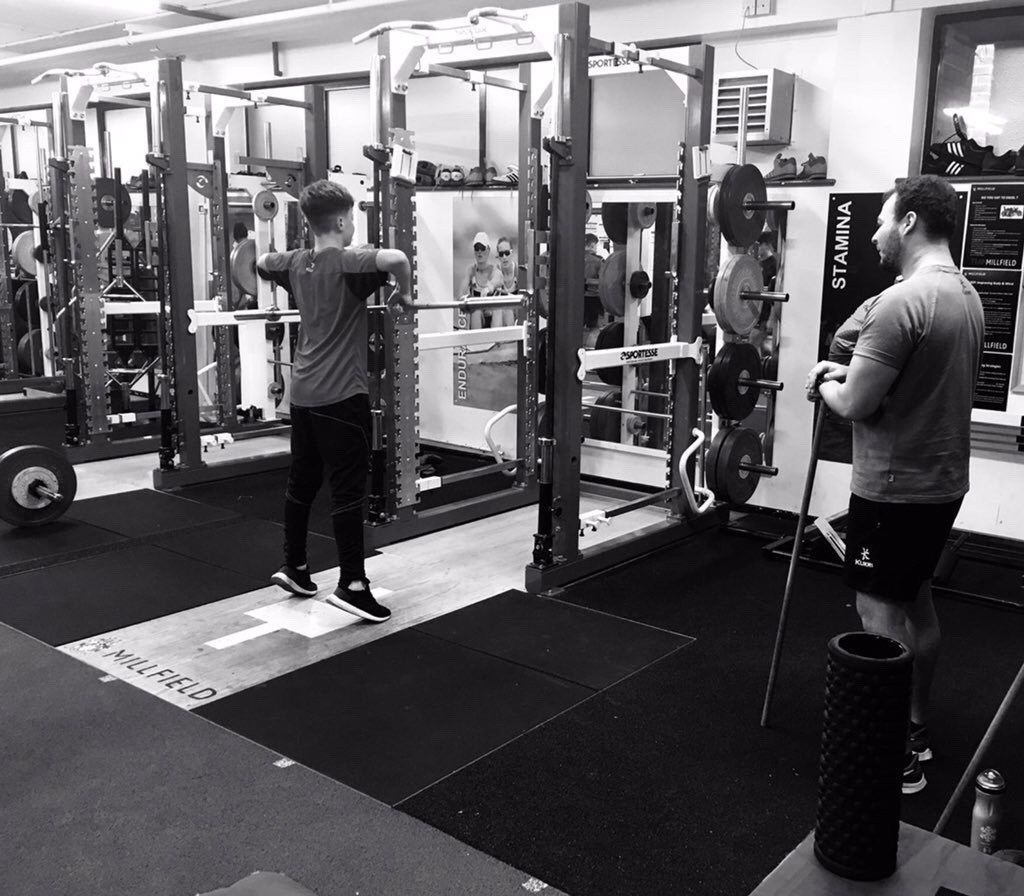
Establishing a clear set of values, principles and ideologies are important in establishing a positive developmental training environment in youth sport, as well as generating effective physical development programmes. Whilst exercise prescription may be a vital conduit in this process, the ability to engage, connect and get buy in from youth athletes into this process may also be of importance. However, to understand our pupils we must first understand ourselves. In short, knowing thy self may be the beginning of all wisdom. How do you go about developing your self-awareness to support the learning of young people through sport?
Within our coach development programme, we have a number of initiatives aimed at enhancing our coaching practitioners’ ability to gain a better understanding of personal preference in communication, behaviours under pressure, one’s work mask versus their self-mask. Whilst this process may be a journey of discovery and evolve at rate relative to individual development, the concept of developing a great sense of self-awareness relative to, for example, other people, organisational policy and operations and individual desire for control may be vital to enhancing buy in and engagement from pupils, coaches and teachers. We see this process as having notable impact at a personal level, but equally as important is the ability to connect and relate to others through their behaviours relative to these areas.
More specifically, a greater self-awareness ensures our interaction with sport pupils within our athletic development programme is productive. Notably, we believe it supports:
– A behavioural best fit – How do I as the coach need to adapt my coaching behaviours to best optimise the learning and development of the young person I have in front of me?
– Communication effectiveness – How do I need to adapt my coaching instruction and feedback based on an individual’s ability to interpret and utilise what I am saying?
– Identification of skills for future development – How am I going to challenge the young person to broaden their intrapersonal skills through my coaching interventions?
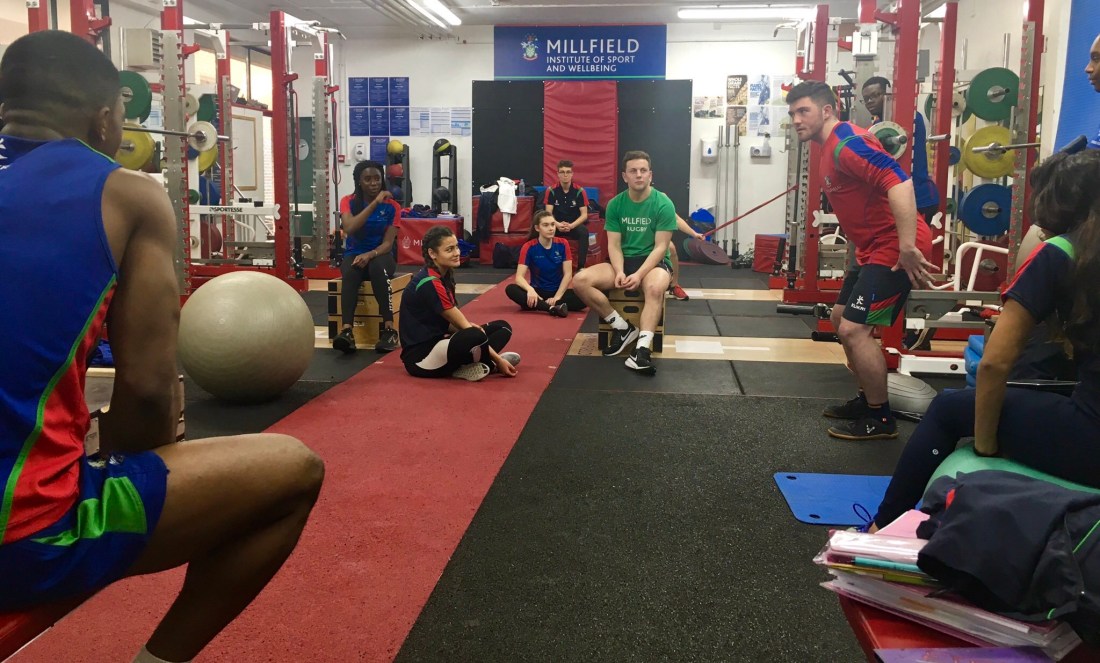
Such questions are founded on an ability to better understand our own motives, goals, task and communication preferences. Without developing clarity on these areas and without engaging in a process of improved self-awareness, the ability to truly challenge and support the development of young people through their learning journey may be compromised. In this sense, knowing thy self may be the beginning of all wisdom with the domain of physical development by providing the vehicle with which to optimise the learning of young people and the coaching practitioner. How do you go about developing your self-awareness to support the learning of young people through sport in the domain of physical development?
 Millfield Institute of Sport and Wellbeing