
After six years and with thirteen early years practitioners having graduated and four more currently in our athletic development department, we thought it good timing to press pause. The ability to consider why, how and what we have done to support the next generation of strength and conditioning coaches through our school based programme will be healthy for our continued success in this area and provide insight into our approach. What is your approach to optimising the development of your early years practitioners?
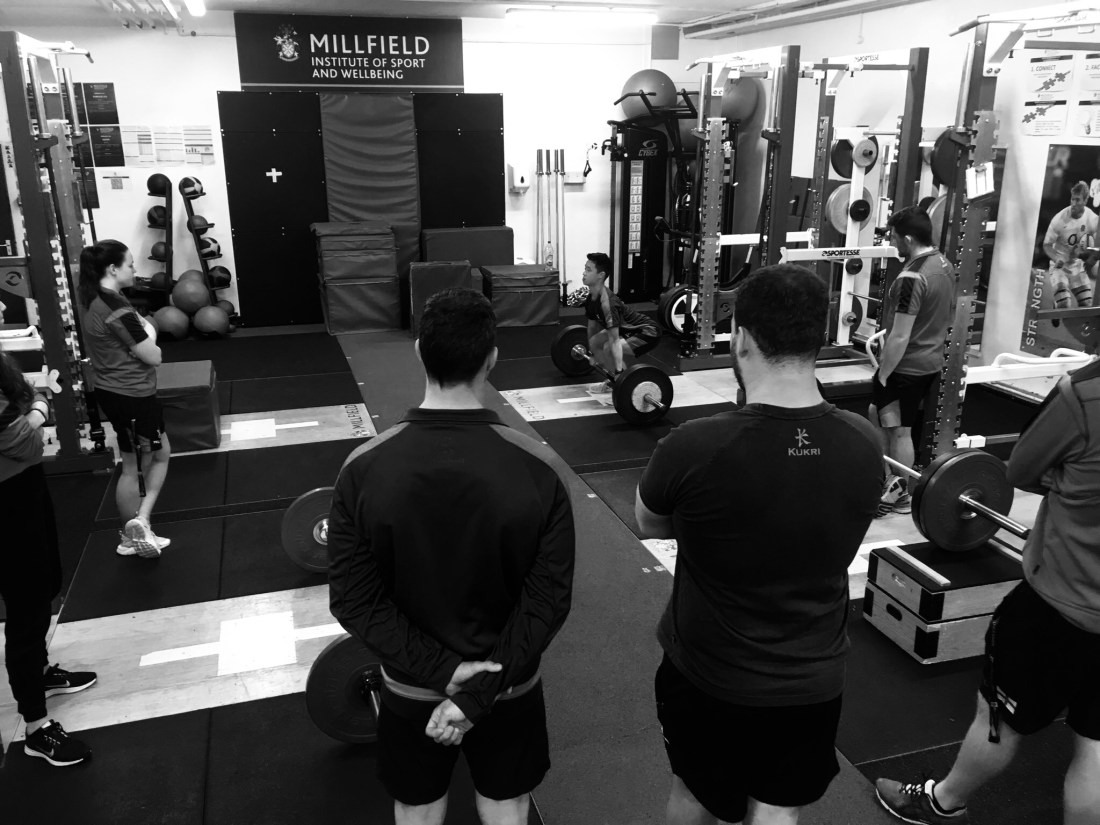
There are a series of guiding principles that have underpinned the journey of our graduate coaches to date and will continue to do so moving forwards:
1. We (more senior staff) must lead by example – We must continue to engage in project work, put our planning and programme out there to be critiqued. We must seek to continue to learn as much as we are asking our graduate coaches to do so.
2. We must find a communications level – We need to be conscious of the individual we are supporting and delve deeper to work out the best methods to engage that individual in the learning journey.
3. We must take them outside their comfort zone – We need to provide a challenging environment that offers the graduate coach a different look at physical preparation and development than they have seen before.
4. We must draw out their super strengths – Whilst challenge will be critical to the development of our graduate coaches, we must also support them in the expression of their ‘super strengths’. Something that will define them from the candidate next to them at interview.
5. We must be dynamic in design – In the context of points 1 to 4, we must be adaptable and flex to the needs and development rate of the individual.
Whilst there is on going debate around the importance of formal academic qualifications and practical experience in the field of strength and conditioning, the recruitment of our graduate coaches is driven by 4 areas:
1. Relative competence – Given the stage of the individual’s development, what are their skills and capabilities as a practitioner? Are they below, on or above par?
2. Autonomy – How able is the individual to make relatively independent, rational and informed decisions within their practice? What experiences have they had that will support this process?
3. Motivation – What are the individual’s internal drivers? Why do they want to engage in our development programme? What would it mean for them to be successful in this role?
4. Complementarity – Is this a good fit for both parties? Do we have shared goals?
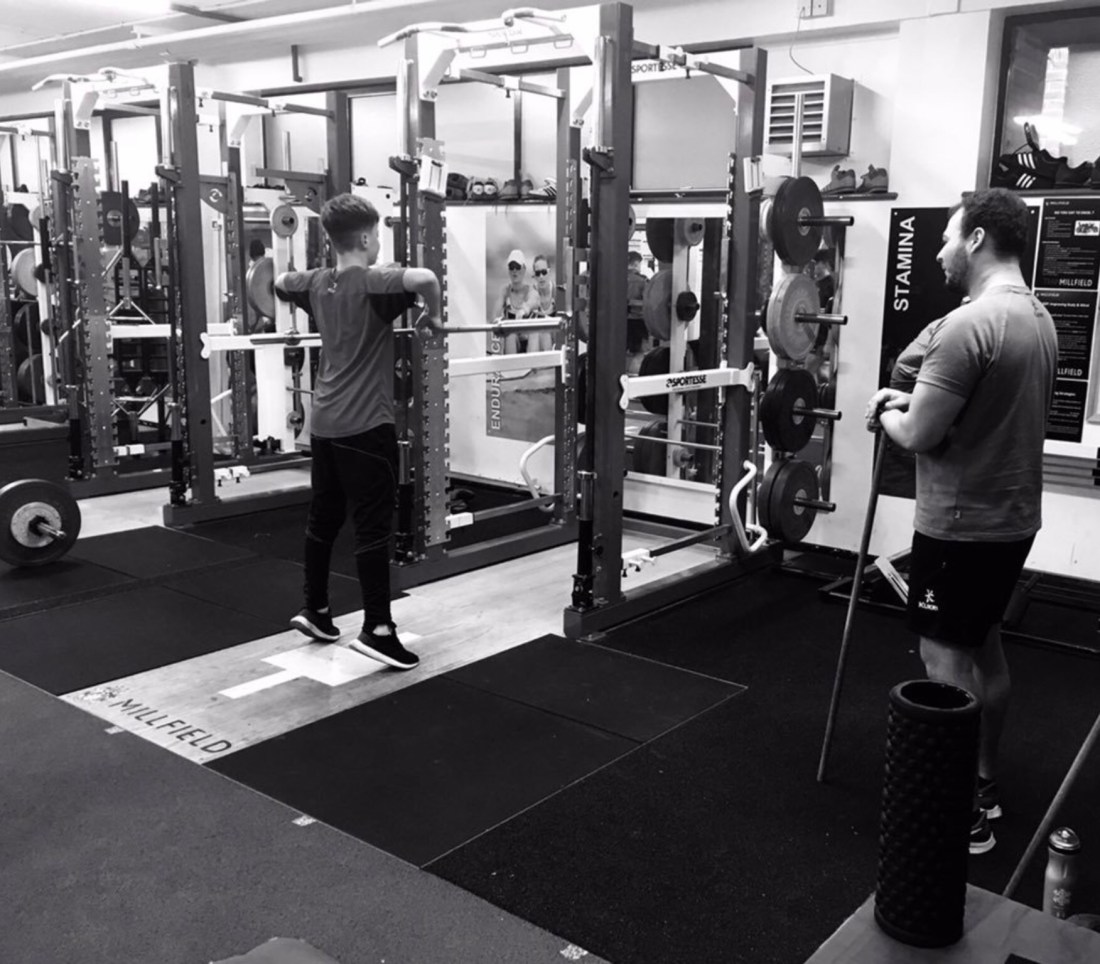
Using our guiding principles to inform the deliberate preparation of our graduate coaches, we can challenge and support their development. We strive to create a rich learning environment for early years practitioners who complement our coaching programme, who are focused on self-development and who’s current and relative skills and capabilities will allow them to thrive on their journey with us. In short, this is about the appropriate challenge and support for early years practitioners to enhance their employability on moving forwards. What is your approach to optimising the development of your early years practitioners?
 Millfield Institute of Sport and Wellbeing