
It’s fair to say that technology has become a fundamental part of modern society. Quicker, smarter, more intuitive, the best technology across a range of domains is driving improved practice and outcomes. This is no different in sport and in particular the field of performance analysis. However, as smart becomes smarter, do we risk making the complex more complicated? How do we take advancements in technology and ensure they truly enhance the user experience and development process? How are you bringing simplicity into your analysis processes? Within this blog we will share what we have learnt from a tech giant and how we are aiming to use technology more effectively and simply across our sports programmes.
Millfield has been progressive in its use of technology within the classroom. The link below provides a short insight into how academic programmes at the school are preparing pupils for life in the digital world.
Our approach to performance analysis within sport is no different. The development and learning journey that our coaches, teachers and pupils go on in a crucial part of the process to ensuring analysis technology, video and statistic resources are fully utilised in this school sport setting.
Critical to the user experience is ease of access and usability. One tech giant has led the way in this area and provides the gold standard in bring simplicity to a potentially complex area. In his book, Insanely Simple: The Obsession That Drives Apple’s Success, Ken Segall provides an insight into the key principles that have supported the company’s dominance of phone and computer technology. Below, we have identified how these principles are supporting our approach to bring simplicity to performance analysis in a school setting.
1. Think Clarity. At every opportunity our aim is to simplify language, simplify the message, simplify the output to ensure our coaches, teachers and pupils are able to easily grasp the learning opportunity.
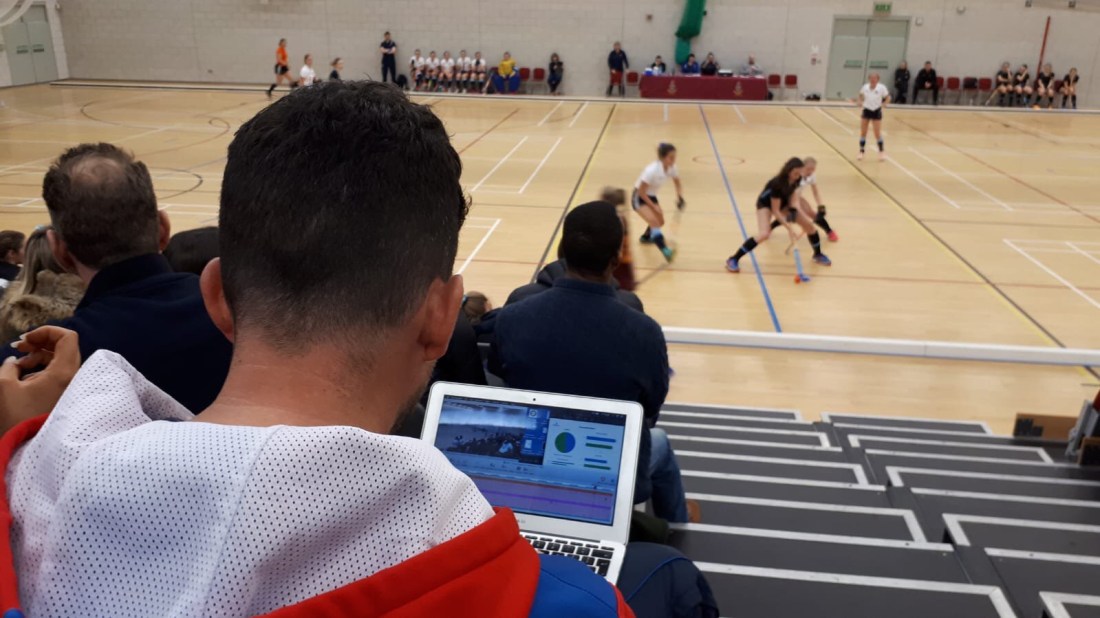
2. Think Small. We are ambitious, but small wins, simple processes and quick communication will allow us to gain traction, learn and move forwards. By thinking small, we are able to drive down into what coaches, teachers and pupils want and need from their experience with performance analysis and support them to take ownership moving forwards.
3. Think Human. Whilst the field of performance analysis is founded the quality, accuracy and reliability of video and statistical analysis, its humanistic component should not be ignored. In our school environment, we must be conscious of the consumer. Conscious of why, how and with what impact our PA outputs will support an individual’s development.
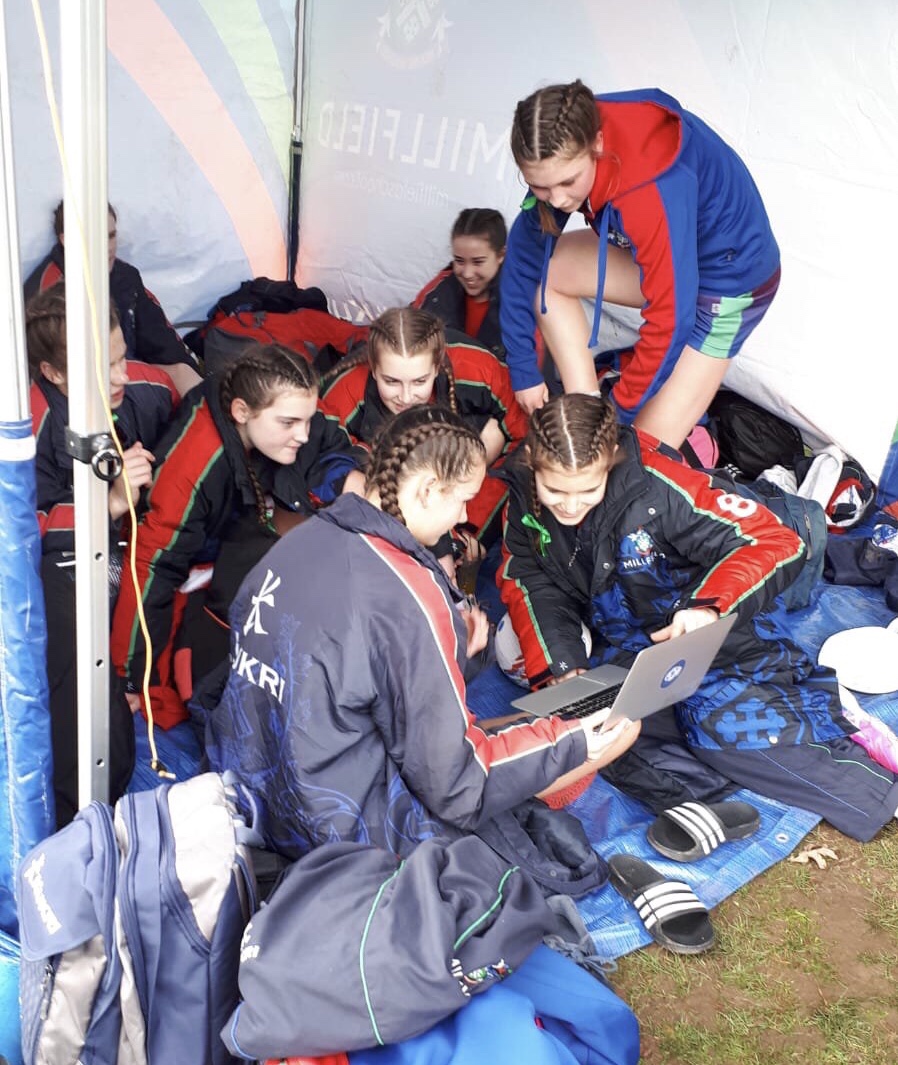
As Steve Jobs once said, design is not just what it looks like and feels like, design is how it works. By thinking clearly, thinking small and thinking about our consumer we are aiming to ensure performance analysis for coaches, teachers and pupils at Millfield both looks good, feels good and works good. How are you bringing simplicity into your analysis processes?
 Millfield Institute of Sport and Wellbeing