
In our previous blog, we shared our purpose led nutrition strategy that extends beyond sport to inform behaviour change around fuelling and nutrition. We aim to achieve this by adopting an approach that supports autonomy learning. We also embed this philosophy in our athletic development programme. One of the many tools that facilitates this process is a coaching behaviour template which we use to guide pupil learning. As such, this article seeks to provide more details about the use of this process in the context of physical development.
The connect, facilitate, consolidate process was inspired by an academic INSET day at the school and demonstrates a shared philosophy between teaching and coaching at Millfield. The process supports athletic development coaches in building productive relationships with pupils, challenging their understanding in the domain of athletic development and seeks to improve knowledge retention. Following this structure may allow us to contribute to a learning environment which encourages critical thinking through the training process. The following narrative provides an insight into how we look to implement this process in our development domain.
Connect
Firstly, we aim to greet the pupil and understand their current state readiness. This represents a chance to address any immediate needs or concerns, for example some lower-than-usual preparedness for the session content. We then introduce the session and its goals within the larger context of their training with the use of the “so that” principle. For example, “The goal of this session is muscle capacity development so that you can build up to a higher training load in the future.” We aim to draw them a picture of their training journey through their experiences with us. As the pupil gains more experience, we challenge how much they can identify to the context of their training. Lastly, we challenge their ability to recall previous key session take homes to focus their attention in the current session. The process of ‘connecting’ can also introduce new concepts or exercises, to fully give the context to each of the working parts of their training session.
Facilitate
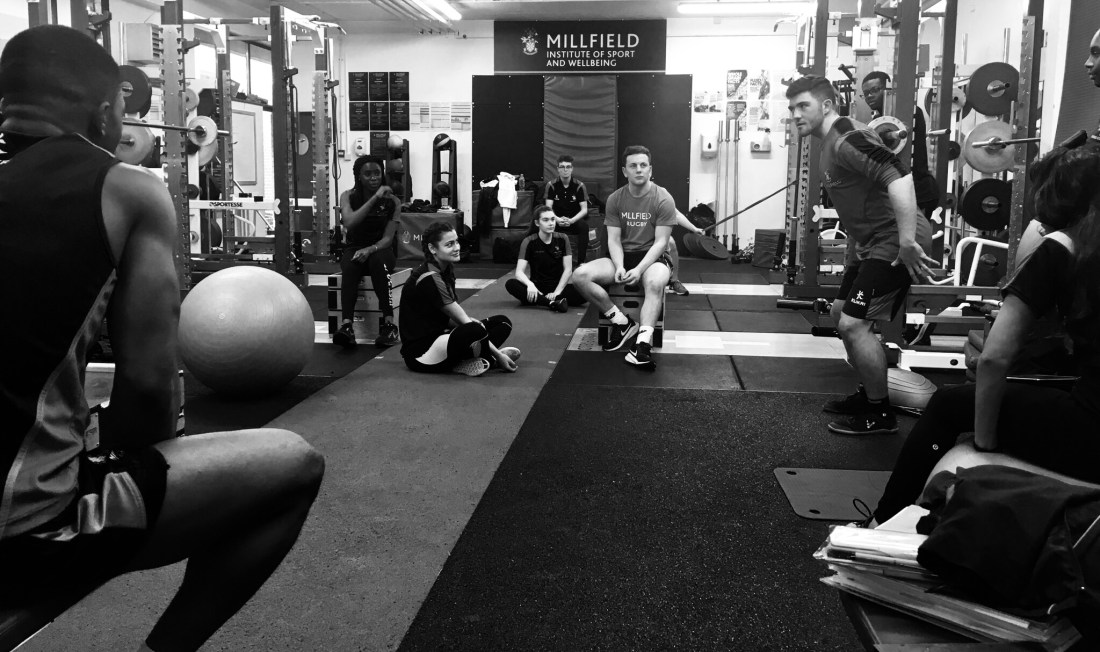
Using open and divergent questioning, we seek to check the pupil’s current depth of understanding of their training, for example a exploring the physiology behind the training session or exercise selection. This can be achieved through either asking questions individually, allowing pupils to confer with training partners, or even bouncing responses to others in the room to hear multiple takes on a subject before giving your thoughts. Allowing pupils time to discuss their thoughts with their peers can create a more interactive learning environment, while questioning specific pupils within a group setting also gives an opportunity for the more reserved pupils to express their thoughts.
Consolidate
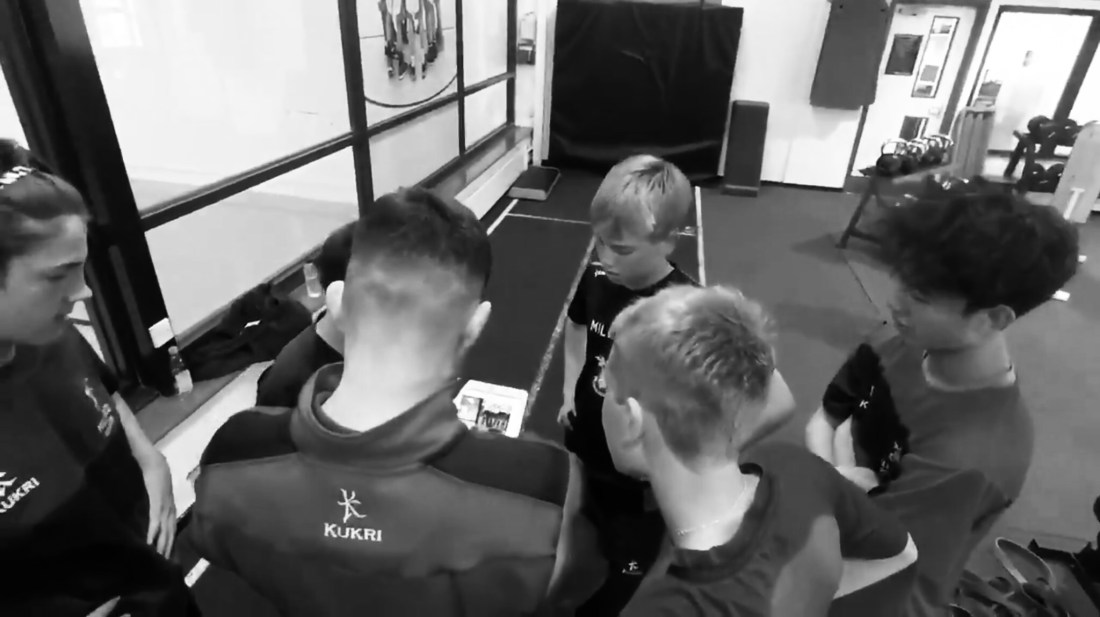
Typically, sessions conclude with challenging the pupils to re-phrase their session experiences to demonstrate understanding. We challenge pupils to condense the learned information into a sentence, then a few key words, and finally one key word which will remind them of the rest of their learning. A worked example:
“Can you summarise the main themes of what you’ve learned today into a sentence?”
“Can you cut that down into 3 words?”
“Can you make it into one word, so when you tell yourself this word next session you’ll remember everything?”
In practice, the ‘connect, facilitate, consolidate’ process can provide a structured approach to support self-driven learning to further pupils’ training knowledge within the athletic development domain. We are conscious this is just one approach and other coaching styles may be more appropriate in a given situation, as such we see this process as a part of a practitioner’s toolbox of skills to guide pupils through their learning journey. What processes do you use connect, facilitate and consolidate learning within your coaching?
 Millfield Institute of Sport and Wellbeing