
Introduction:
Coach-athlete relationships (CAR) within sporting performance has gained popularity within academic publications and strength and conditioning (S&C) events. Senior elite athlete research (Szedlak et al., 2015, 2018) suggests higher order psychosocial behaviour dimensions contributes significantly to the S&C CAR, athlete cognitions and behaviours. Surprisingly, a paucity of research surrounding perceived effectiveness of S&C coaching behaviours in youth athletes remains. Given the potential significance of early CAR experiences in respect to long term athlete performance and behaviours, this study aims to offer a novel insight into the perceived importance of the S&C CAR dimensions within a youth talent development setting.
Methods:
33 student athletes, across 7 sports aged 14-18 participated in this study. Inclusion criteria was exposure to a minimum of one weekly athletic development session delivered by an S&C coach over a minimum period of 2 years (range 2-5 years). Participants completed an online questionnaire for each pre-identified higher order coaching dimension (relationship, coaches’ actions and coaches’ values). Within each form, subjects independently ranked each of the dimension’s first order themes and their corresponding raw data themes in order of importance considering their S&C coaching experiences. Athletes were also encouraged elaborate on what they felt was important in each dimension.
Results:
First order theme results were extracted and collated from the questionnaire outputs. Relationship dimension results showed; (1) trust and respect, (2) encouragement and support, (3) approachability, to be the highest ranked themes. With, (8) flexible, (9) balanced, and (10) role model being the three lowest ranked. Coach action results ranked; (1) feedback, (2) Communication skills, (3) Instruction, and (4) planning and organisation. Finally, the top ranked themes in the coach’s values dimension being; (1) motivation and inspiration, (2) belief, (3) high performance expectations, and (4) confidence. Athlete comments also provided frank, insightful and reflective thought processes around S&C coach interactions.
Practical Applications:
These findings provide novel insight into youth athlete preferences of S&C coaching. Consistent with elite populations, analysis suggest that youth athletes’ value psychosocial qualities centred around a coach’s ability to engage and connect on a personal level. The lower ranked qualities such as role modelling, planning and organisation reinforce the notion that an S&C coach’s defining qualities extend beyond technical, tactical and performance outcomes. Results suggest that, to optimise coaching, a multi-faceted approach and the ability to occupy various roles that exceed traditional perceptions of S&C coaches may be required to enhance the CAR and better optimise athletic potential.
Tables and Figures:
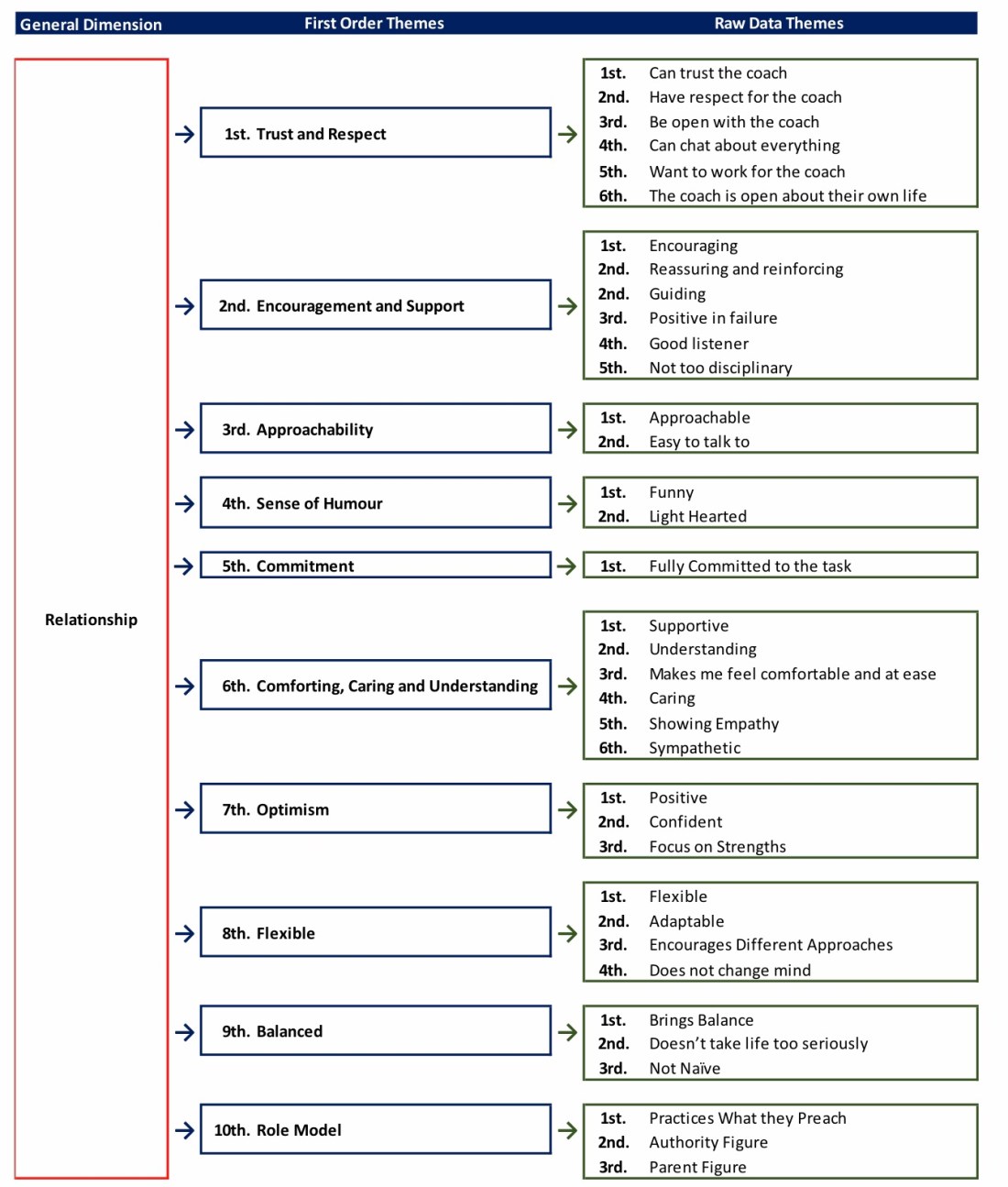
Figure 1. Athlete preferences of coach’s relationship dimension first and raw data themes. First and raw data themes presented in order of athlete preference in relation to strength and conditioning coaches.
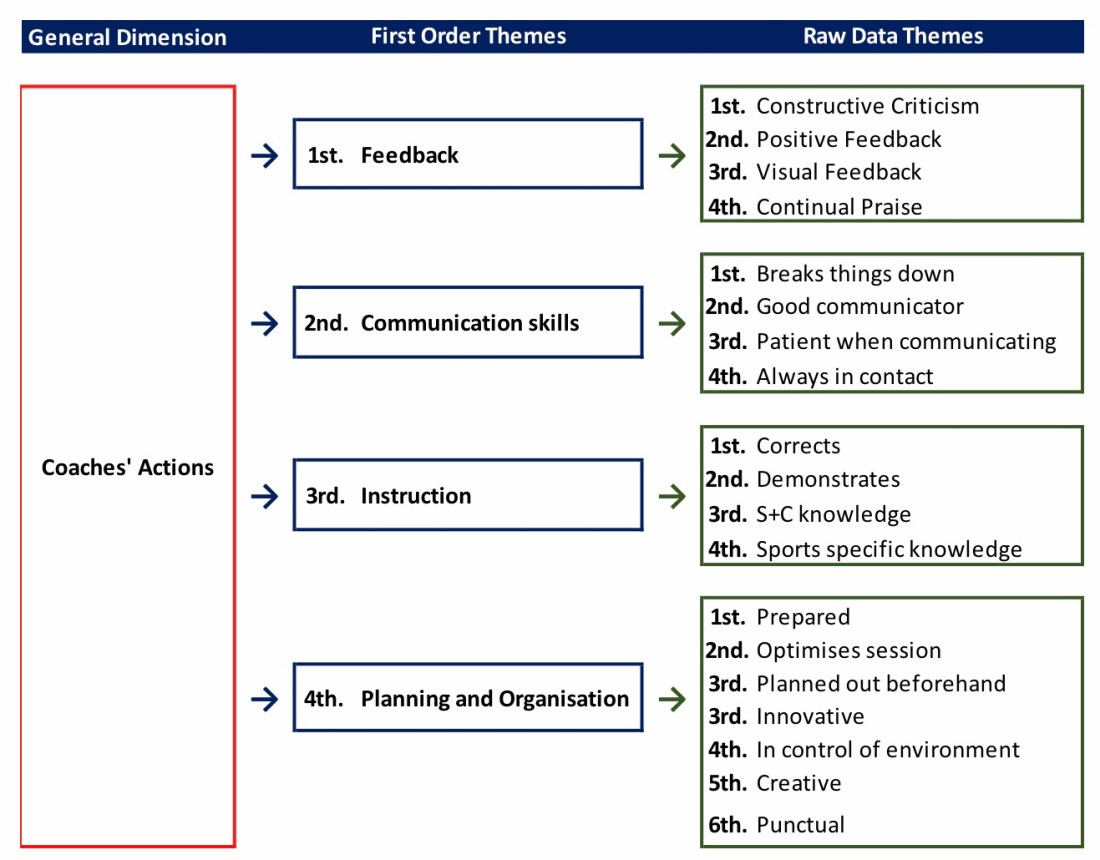
Figure 2. Athlete preferences of coach’s actions dimension first and raw data themes. First and raw data themes presented in order of athlete preference in relation to strength and conditioning coaches.
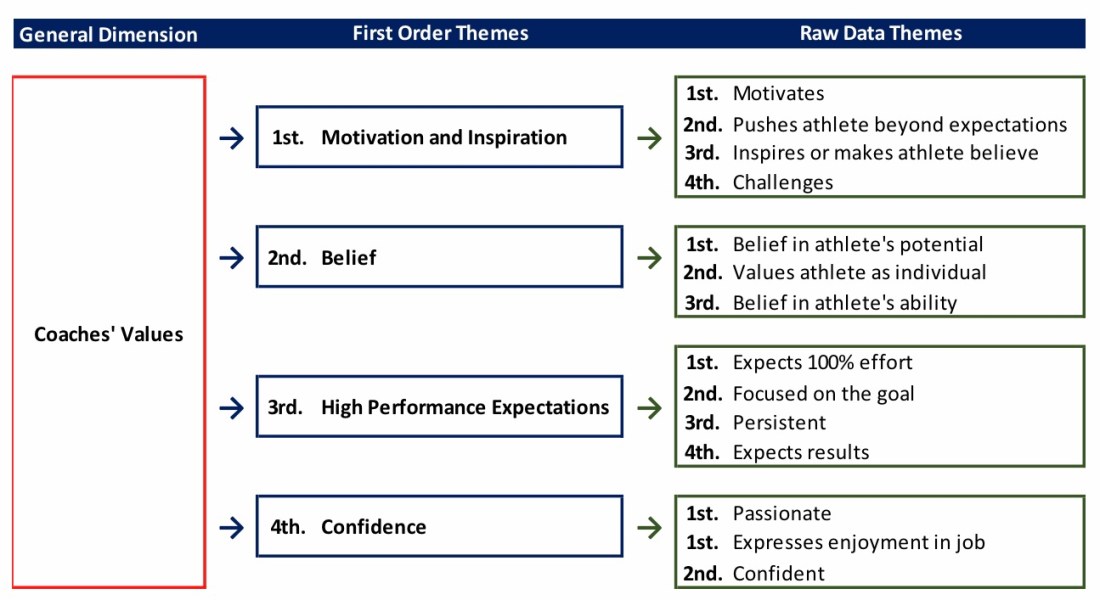
Figure 3. Athlete preferences of coach’s values dimension first and raw data themes. First and raw data themes presented in order of athlete preference in relation to strength and conditioning coaches.
References:
Szedlak, Smith, Day, Greenlees, 2015
Effective Behaviour of Strength and Conditioning Coaches as Perceived By Athletes
Szedlak, Smith, Day, Callary, 2018
Using Vignettes to Analyse Potential Influences of Effective Strength and Conditioning Coaching on Athlete Development
 Millfield Institute of Sport and Wellbeing