
In our preceding blog, we considered the importance, application and assessment of world class basics in movement skill development for young people in school sport. We proposed the need to be pupil centred and development focused in optimising fundamental movement skills and movement competency. Critical to truly optimising this approach is the development of skilfully designed, appropriately positioned and optimally delivered teaching and learning practice.
In the domain of performance analysis, pupil and coach engagement with video and analytics is the critical time point that must be optimised to enhance the understanding of personal and/or team development. In doing so, we have an amazing opportunity to facilitate self-directed learning and reflective ability through sport. Therefore, the following blog will expand on the role of analysis in youth sport and the responsibility of analysts to support the development of self-directed learning.
Broadly, we aim to encourage autonomy and deliver a supportive approach to learning in the analysis of sporting activity. We aim to create an environment where pupils and coaches take ownership and responsibility for their development through visual and statistical feedback. Our approach to analysis offers breadth and depth to support a wide demographic of young sports people, through a variety of stakeholders.
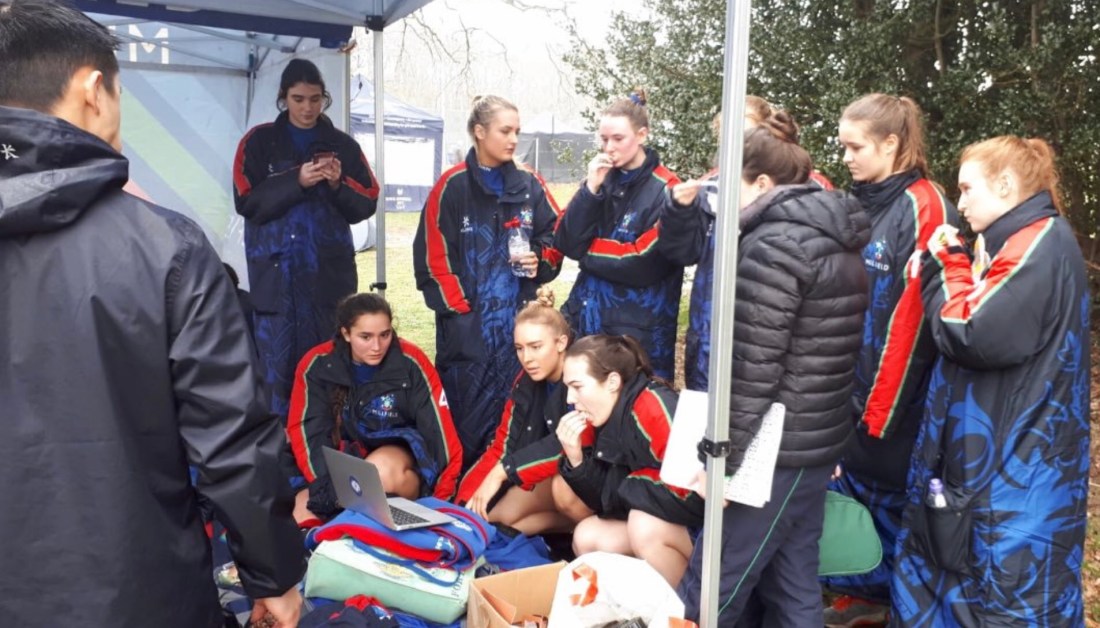
Our online analysis platform is designed to encourage fast and interactive engagement with video and statistical content. The platform provides the opportunity for coaches to interact with pupils and visa versa to support the coaching process from the field of play into a virtual learning domain. Coaches and the analyst can actively track and monitor team and individual usage on the platform to identify engagement and interaction with the content. This allows us to constantly review and adapt our offering to optimise content, engagement and education.
The cycle of review and adaptation is one that is constantly evolving with analysis in our environment. This process can be aligned to the concept of the experiential learning cycle. This concept suggests learning can be more than experience (concrete experience) and reflection (reflective observation). The cycle suggests learning can expand further to challenge transferability (abstract conceptualisation) and generate new learning opportunities (active experimentation). In our analysis provision, we aim to embed the opportunity for learning via experience and reflection as the norm. Our challenge then, is to delve further into the potential for transferability, new learning and experimentation.
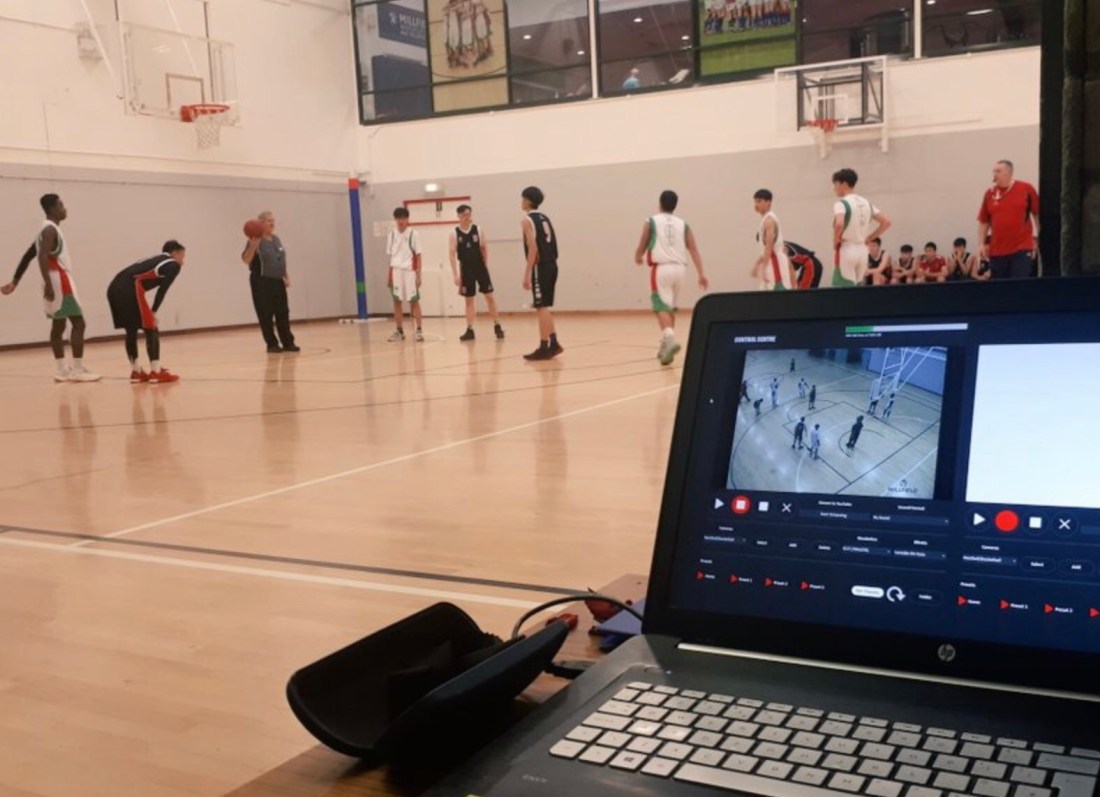
An example of this can be seen through reorienting the analysis of traditional sporting statistics to conceptualise and experiment with the process of analysing socio-behavioural actions within competitive match play. In application, this learning experience has generated the opportunity for coaches and pupils to consider the interplay between team culture, values and principles and in-action behaviours and responses to challenge and stress on the field of play. This included the self-reflection of off the ball behaviour, conduct with officials and opposition players and enhanced methods to support team mates to fulfil their potential. This example provides a case study with which explore the transferability of learning expressed through the activity of sport but embedded in a more fundamental intra and interpersonal development philosophy.
In summary, analysis, like any other sport science provision can support self-directed learning and reflective practice. Optimising the cycle of experience, reflection, transfer and new learning may be critical to augmenting a truly holistic and development focused youth sport analysis programme. Conceptualising analysis as a vehicle to support learning allows us to truly orientate our efforts to explore learning and development through and beyond sport. What are you doing to optimise teaching and learning through the analysis of youth sport?
 Millfield Institute of Sport and Wellbeing