
In our first blog post, we reflected on the iconic release of the Avengers: Endgame movie and its connection to our department and wider school approach of supporting and optimising the learning and development of young people through their domain of interest. The blog referenced a systematic approach to supporting learning and development within the athletic development department titled ‘What does it take to transition?’. The aim of this second blog post is to expand further on the why, how and what of this approach and the lessons learnt across the 5 years of its implementation. This narrative will aim to propose the importance of establishing world class basics within the physical development of youth athletes. Whilst reading this narrative, one may consider if the basics are often neglected through the professionalisation of youth sport and its coaching fraternity.
Our athletic development department philosophy seeks to position the pupil at the front and centre of our decision making. We see our role as contributing to part of the pupil’s journey through sport and it is our duty to lay the foundations of high-quality movement skills, amongst other physical qualities, to allow the pupil to optimise training and coaching through and post Millfield. In short, we are committed to doing the basics to the best of our ability to allow other physical training practitioners and the pupils themselves to reap the rewards later down the line.
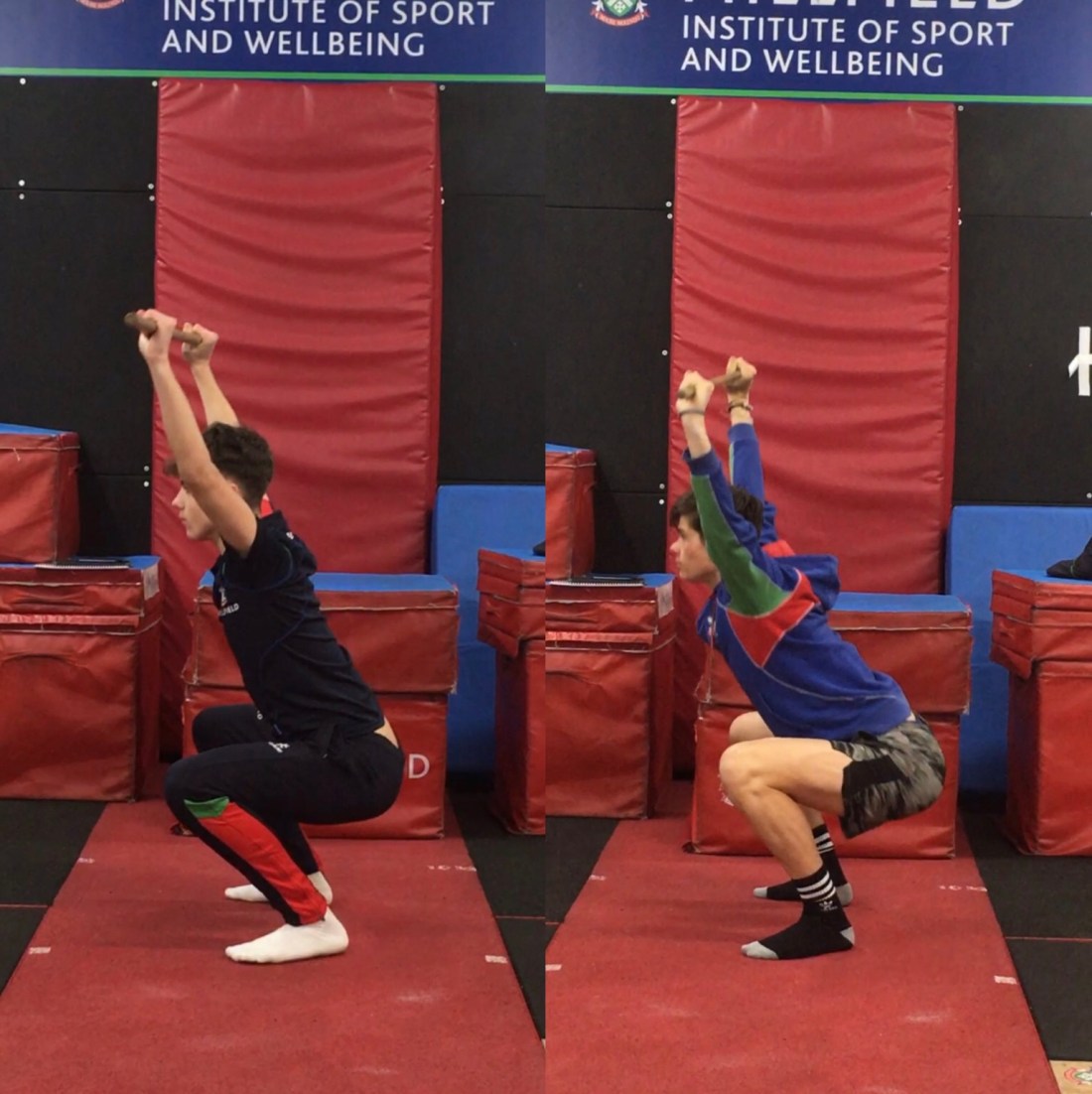
Research evidence is compelling on the benefits of fundamental movement skill (not functional movement skill or foundational movement skill) and movement competency development on a host of physical, psychological and social markers, such as activity levels, self-belief, body composition and functional independence. As sport science practitioners in youth sport we have a duty of care, a moral and ethical right to invest in the development of these skills and competencies for the future health and wellbeing of our young people.
Through sport at Millfield we have embedded a physical profiling battery and associated programming interventions targeting the development of competency benchmarks and training adaptations associated to these physical qualities. For fundamental movement skills; the building blocks of more developmentally advanced movement forms, and movement competency; the degree to which an individual can perform goal directed human task, we now have a large and ever-growing data set through regular profiling. The assessment of this data has allowed us to highlight the skills and ability of sports pupils through year groups and across a wide range of sports.
We are building a compelling narrative that has and will continue to direct our attention to the development of world class basics in movement skill. Our evidence tells us that such skill and competencies are not differentiated by gender but differentiated by advanced chronological age. This tells us we must invest early in these physical qualities. It highlights that high-quality skill development takes time and we must be comfortable to not rush this process. We know that involvement in particular categories of sports may be advantageous for particular skills and competencies. By establishing normative data across chronological year groups, sports and gender we know we can make positive changes in movement quality and have confidence that the knock-on effects will be beneficial both on and off the sports field.
Through establishing clarity in our roles within a youth sport context, by being pupil centred, development and process focused and keeping our ‘end game’ in mind, our focus on the learning and progression of the skills and capacities contributing to the world class basics will allow our sports pupils to thrive as they transition through and beyond sport. Are you focused on the process of developing world class basics in your domain of practice? If not, why not?
 Millfield Institute of Sport and Wellbeing